Close Menu
Migrant Affairs
    Trending News

    EU Opens Contact with Taliban Over Migrant Returns

    October 20, 2025

    EU Strengthens Europol Role to Fight Migrant Smuggling and Trafficking

    September 26, 2025

    EU Border Policies Under Scrutiny After Deadly Migrant Shipwreck

    March 1, 2024

    EU Records Highest-Ever Number of Asylum Applications in 2023

    February 28, 2024

    Doctors Without Borders Condemn European Union Migration Policies

    February 24, 2024

    UK gets EU intelligence on human trafficking

    February 23, 2024
    Facebook X (Twitter) Instagram
    Facebook X (Twitter) Instagram
    Migrant Affairs
    Subscribe
    • Home
    • About
    • News
    • Features
    • Contact
    • Privacy Policy
    • Terms and Conditions
    Migrant Affairs
    Home » Migration Deals Between Europe and Africa: Who Benefits and Who Loses
    Featured

    Migration Deals Between Europe and Africa: Who Benefits and Who Loses

    January 9, 2026Updated:March 3, 20263 Mins Read
    Facebook Twitter LinkedIn Copy Link WhatsApp
    Migration deals between Europe and Africa
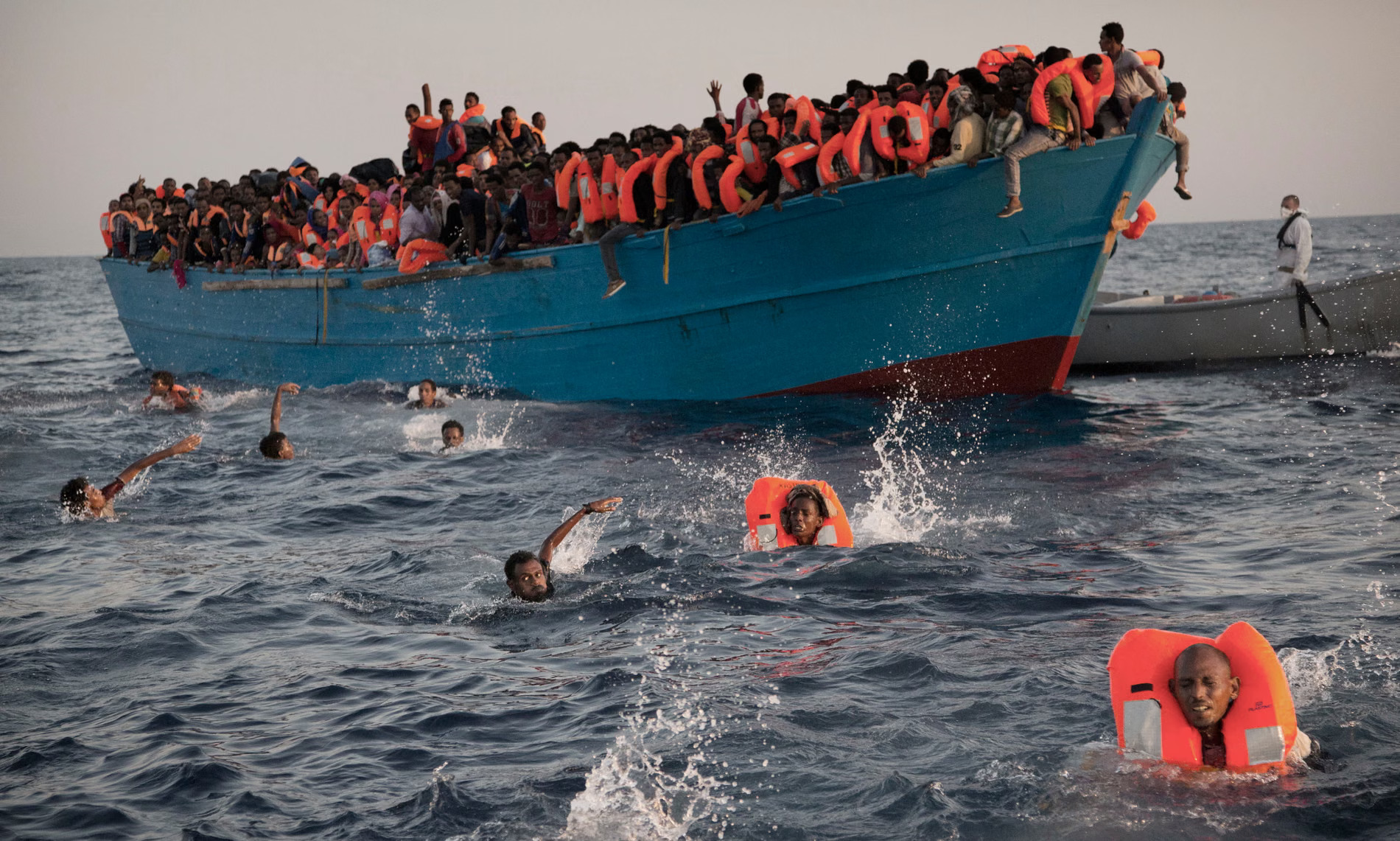
    Eritrean migrants jump into the water during a rescue operation near the Libyan coast in August 2016. Photograph: Emilio Morenatti/AP. Source: Guardian Media Group.
    Share
    Facebook Twitter LinkedIn Copy Link WhatsApp

    Migration deals between Europe and Africa have become more common in recent years as European countries try to reduce the number of irregular migrants arriving at their borders. These agreements often involve African countries helping to stop migrants before they reach Europe. In return, Europe promises financial aid, development support, and closer political cooperation. While these deals are presented as partnerships, many people question who truly benefits from them.

    From Europe’s side, the main benefit is stronger border control. European governments use these deals to limit dangerous sea crossings and reduce pressure on their asylum systems. By working with African transit countries, the European Union shifts border control away from Europe and closer to where migrants start their journeys. This approach helps European leaders show their citizens that migration is being “managed,” especially during elections.

    African governments involved in these agreements often receive funding, training, and equipment. Some see migration deals as a way to improve relations with Europe and attract investment. However, the money given is often tied to stopping migration rather than creating real jobs or opportunities for young people. This means the root causes of migration, such as poverty, insecurity, and climate problems, remain largely unchanged.

    For migrants, the impact is often negative. Many are stopped in transit countries and forced to live in unsafe conditions. Some face arrest, detention, or deportation without proper legal support. Human rights groups, including organisations like UNHCR and IOM, have raised concerns about abuse, violence, and lack of protection linked to these migration control efforts.

    Return and reintegration programmes are another key part of these deals. Migrants who are sent back to their home countries are promised help such as training or small business support. In reality, many returnees say the support is too little or never arrives. This leaves them struggling again, sometimes even worse off than before they migrated.

    African communities also feel the effects. Large numbers of forced returns can increase unemployment and social tension. Families who depended on remittances lose income, and returnees may face shame or stigma. At the same time, free movement agreements within Africa are weakened when countries focus more on European demands than on regional cooperation.

    A common question is: Do these migration deals actually reduce migration? The answer is not simple. While arrivals may drop in one area, migrants often find new and more dangerous routes. Instead of stopping migration, the deals often push people into greater risk. Without safe and legal pathways, people will continue to move.

    In the end, migration deals between Europe and Africa mostly benefit European governments politically. African states gain limited financial support, while migrants carry the biggest burden. Until these agreements focus more on legal migration, protection of rights, and real development, the question of who truly benefits will continue to raise serious concerns.

    African migrants Asylum Seekers border control EU migration deals Europe Africa migration immigrants Immigration irregular migration migrant migrant rights migrants migration
    Share. Facebook Twitter LinkedIn Copy Link WhatsApp

    Related Posts

    Italy Hosts Libya, Turkey and Qatar Talks on Migration Management in the Mediterranean

    May 20, 2026

    South African Catholic Bishops Condemn Violence Against Migrants Ahead of Elections

    May 20, 2026

    ITUC Warns Against Rising Anti-Migrant Campaigns in Tunisia and South Africa

    May 20, 2026

    Comments are closed.

    Top Posts

    Organizations Supporting Migrants and Refugees Worldwide

    Germany’s National Election 2025: Political Party Ideologies on Migration and Migrants

    The Impact of Social Media on Migrant Advocacy and Awareness

    Top Scholarships and Educational Opportunities for Migrants and Refugees in 2026

    Don't Miss

    Migrant Caregivers Help Support Germany’s Growing Elderly Population

    May 15, 20263 Mins ReadBy RACHAEL ADEEGBE

    Germany’s growing elderly population is creating new opportunities for migrants and refugees who are helping…

    Read More

    Germany to Maintain Border Controls as Debate Grows Over Migration Impact

    May 6, 2026

    German Crime Data Sparks Debate Over Whether Migrants Are Unfairly Targeted

    April 20, 2026

    Germany Allocates €6.85 Billion to Support Migrant Integration Costs

    April 13, 2026

    Migrant Women in Germany Face Violence Risks Despite Strong Support Systems

    March 27, 2026

    Berlin Justice Senator Halts Migrant Hiring Quotas Over Constitutional Concerns

    March 17, 2026
    RSS News Around
    Stay In Touch
    • Facebook
    • Twitter
    • LinkedIn
    • WhatsApp
    RSS More News
    • Germany: Freiburg loses Europa League final to Aston Villa
    • Freiburg's Europa League final proof another way can work
    • NATO: Rutte says US troop withdrawal won't hurt Europe
    • Germany records high numbers of online child abuse cases
    • German authorities arrest 2 on China high-tech espionage allegations
    About Us

    A news and information site documenting and sharing relevant and helpful stories and resources for and about Migrants.

    Email Us: info@migrantaffairs.info

    Facebook X (Twitter) WhatsApp
    Top Stories

    Norwegian Court Blocks Extradition of Migrant Rights Activist to Greece

    May 20, 2026

    Thousands Join Anti-Immigration Rally Led by Far-Right Activist in London

    May 18, 2026

    UK and European Nations Push for Faster Deportation of Illegal Migrants

    May 15, 2026
    RSS Business News
    • How China became Russia's economic lifeline
    • Germany's crisis-hit chemical industry seeks revival
    • Germany and Japan test hydrogen future with BMW, Toyota cars
    • Who is Mario Draghi, this year's Charlemagne Prize winner?
    • Honda reports first loss since 1957 as it waters down EV strategy, but shares rise on 2026 forecasts
    RSS Expat Jobs
    Migrant Affairs
    • Home
    • About
    • News
    • Features
    • Contact
    • Privacy Policy
    • Terms and Conditions
    © 2026 Migrant Affairs

    Type above and press Enter to search. Press Esc to cancel.