
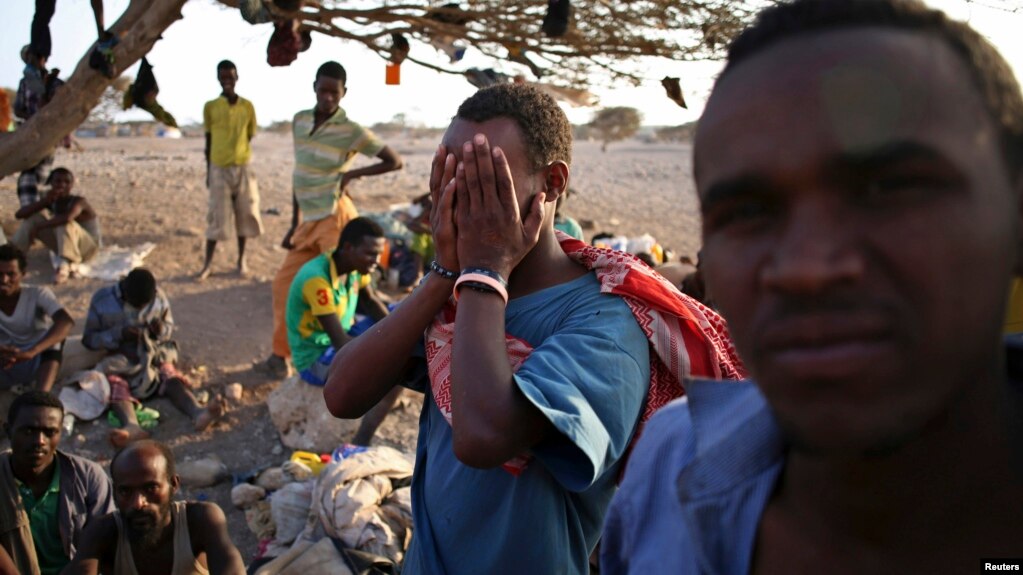
More than 20,000 migrant movements from Ethiopia into Djibouti have been recorded since September 10, as people continue travelling along the dangerous migration route linking the Horn of Africa with Yemen and the Gulf region.
The International Organization for Migration reported the figure during a Geneva briefing on October 6. IOM stressed that the number represents recorded movements rather than a confirmed count of individual migrants, meaning some people may have been counted more than once.
Alexandre Coissac, IOM’s chief of mission in Djibouti, said the agency’s Displacement Tracking Matrix had recorded more than 20,000 incoming movements from Ethiopia since September 10.
Most migrants travel along the Eastern Route, which Ethiopians and other migrants from the Horn of Africa have traditionally used to seek work and better economic opportunities in Gulf countries.
The route takes migrants through Djibouti before they attempt to cross the Red Sea or Gulf of Aden and continue through Yemen. The journey exposes migrants to harsh desert conditions, dangerous sea crossings, trafficking and other forms of exploitation.
Despite the renewed conflict in Yemen, migrants continue to travel along the route. At the same time, thousands have become stranded in Djibouti.
IOM recorded more than 3,000 stranded migrants along migration routes in Djibouti between September 20 and 30. Many were found in remote desert areas and along roads, where they faced shortages of food and water, dehydration and exhaustion.
Migrants travelling on secondary routes can face additional difficulties because humanitarian organisations have greater challenges reaching them.
Djiboutian authorities have contacted IOM when migrants in distress are discovered, allowing humanitarian teams to provide emergency assistance, including food and water.
Coissac said some migrants had died because of the difficult conditions along the migration routes, although IOM did not have a confirmed death toll as of October 6.
The movement of people between Ethiopia, Djibouti and Yemen is occurring in several directions. Since September 10, IOM has recorded 539 Ethiopian migrants arriving in Djibouti while returning from Yemen to Ethiopia.
Djibouti is also receiving people fleeing the conflict in Yemen. More than 3,700 refugees from Yemen have arrived in the country during the three weeks preceding the October 6 briefing after crossing the Red Sea.
This has created overlapping humanitarian needs in Djibouti. The country is simultaneously receiving refugees escaping violence in Yemen, migrants travelling towards Yemen and Ethiopians returning from Yemen.
IOM has cautioned against treating the more than 20,000 movements from Ethiopia as evidence of a new migration surge linked directly to the latest security developments inside Ethiopia.
Coissac said the agency had not observed an increase compared with migration levels recorded before the latest escalation. He explained that people leave Ethiopia for different reasons, with economic factors accounting for many journeys, while some migrants have also expressed concerns about developments in their home country.
The situation is becoming more difficult because Yemen is experiencing a new wave of displacement. IOM reported that about 184,000 people had been displaced inside Yemen as of October 4 because of the latest fighting, compared with around 125,000 people recorded as displaced on September 17.
The humanitarian situation around the Red Sea and Bab al-Mandab area has added further pressure to countries receiving people fleeing the conflict.
IOM said Djibouti needs additional international support to respond to the growing demands. Assistance is needed for food, clean water, healthcare, protection services, and migrants who decide to return voluntarily to their countries of origin.
Djiboutian authorities have responded to people in distress, but IOM warned that the combination of migration, returns, and refugee arrivals is putting increasing pressure on the country’s humanitarian resources and services.
The UN agency said it would continue monitoring movements along the Eastern Route while assisting stranded migrants and people arriving in Djibouti from Yemen