
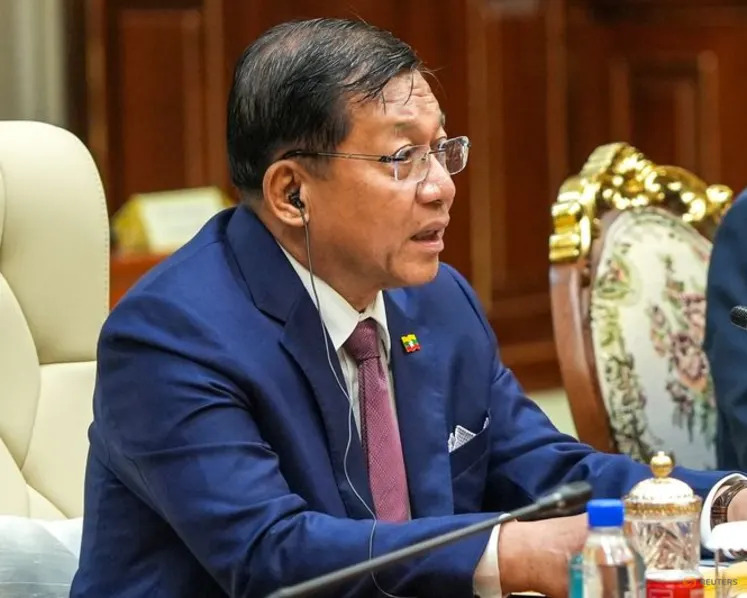
Myanmar leader Min Aung Hlaing is due to visit Malaysia for talks with Prime Minister Anwar Ibrahim as Kuala Lumpur continues sending Myanmar nationals back to the country amid concerns from the United Nations and rights groups.
The two-day visit comes after nearly 1,500 Myanmar nationals were recently returned from Malaysia. Myanmar state media said the group was transported home by sea, while the United Nations warned that some people among those returned could face serious risks because of the ongoing conflict and humanitarian crisis in Myanmar.
Malaysia has described the programme as a voluntary and dignified repatriation process. On Tuesday, Anwar said around 10,000 Myanmar nationals had been sent back since January.
The Malaysian government has said it is working with Myanmar on the return of people who are in Malaysia without legal status. Officials have not provided a breakdown of the ethnicities of those who have already returned.
Anwar is expected to raise the issue with Min Aung Hlaing during their meeting. Malaysia’s Foreign Affairs Ministry said the talks would include the voluntary, safe and dignified return of Myanmar nationals of all ethnic groups.
The planned repatriations have raised particular concern over the possible return of Rohingya refugees. Malaysia is home to a large Rohingya population, many of whom fled persecution and violence in Myanmar.
UNHCR said it was concerned about the recent return of 1,476 people to Myanmar. The agency said some of those returned could need international protection and stressed that returns should be based on informed and genuinely voluntary decisions. UNHCR also said it had not been given access to the people held in immigration detention to independently assess whether their decisions to return were voluntary.
The agency warned that people sent back to Myanmar could face persecution, torture or other serious threats because of the continuing conflict. It called on Malaysia to ensure individual assessments and access to protection procedures before people are returned.
The situation is particularly sensitive for the Rohingya, who have faced long-standing discrimination and are generally denied full citizenship rights in Myanmar. More than 126,000 Rohingya were registered with UNHCR in Malaysia as of February 2026, alongside tens of thousands of other refugees and asylum seekers from Myanmar.
More than 160 civil society organisations had previously called on Malaysia to stop planned returns of Rohingya to Myanmar, citing continuing violence and the risk of forced recruitment.
Malaysia’s decision to deepen engagement with Min Aung Hlaing also carries wider diplomatic significance. ASEAN has largely excluded Myanmar’s top military leaders from its major meetings since the 2021 coup because of the military government’s failure to make sufficient progress on the bloc’s peace plan.
Anwar has nevertheless said Malaysia is willing to engage with Myanmar’s leadership on issues including migrant returns and regional diplomacy.
The Malaysian prime minister has also stressed that any return should be accompanied by guarantees that returnees will be treated properly and protected from abuse.
The Myanmar crisis began to escalate into nationwide armed conflict after Min Aung Hlaing’s military seized power from the elected government in February 2021. Fighting and displacement have continued across the country, raising questions about whether large-scale returns can currently be considered safe and sustainable.
For Malaysia, the challenge is balancing its immigration policies with its international protection obligations. For refugees and asylum seekers from Myanmar, the latest returns have renewed concerns about whether people could be sent back to conditions where they remain exposed to violence or persecution.