
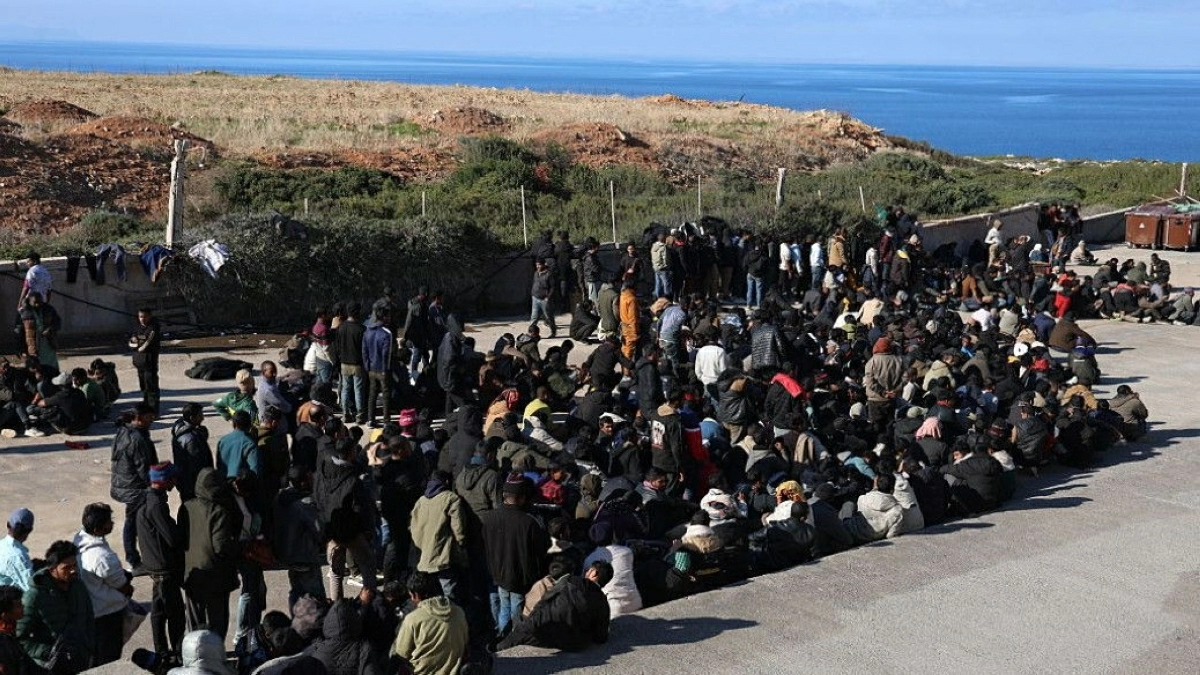
Greek authorities have rescued more than 300 migrants off the coast of Crete in recent days, highlighting the island’s growing role as a key entry point into Europe. The rescues, carried out over two days, reflect a sharp rise in crossings along the increasingly dangerous route from Libya.
According to officials, at least 369 migrants arrived on Crete since Sunday, with many coming from countries such as Bangladesh, Egypt, Yemen, and Sudan. Nearly half were rescued from makeshift boats battling rough seas south of the island, as emergency operations continued despite strong winds and challenging conditions.
The Greek coast guard worked alongside European partners, including surveillance support from Frontex and assistance from a French navy vessel. Authorities say more boats may already be heading toward Crete, as smugglers take advantage of calmer weather to launch risky journeys across the Mediterranean.
Crete is becoming a major destination for migrants departing from eastern Libya, particularly from the port city of Tobruk, which is controlled by forces loyal to Khalifa Haftar. Unlike shorter routes across the Aegean Sea, this journey involves a long and hazardous crossing over open waters, increasing the risk of deadly incidents.
The dangers of this route were highlighted just weeks ago when at least 22 people died during a failed crossing from Libya. Survivors reported that bodies were thrown overboard before rescue teams eventually reached them near Crete. These incidents underline the growing risks migrants face as they turn to longer routes due to tighter border controls elsewhere.
According to the International Organization for Migration, nearly 1,000 people have died or gone missing in the Mediterranean so far in 2026, making it one of the deadliest starts to a year in recent times. The agency has repeatedly called for stronger global action to protect migrants and expand safe migration pathways.
Despite the risks, migration flows remain steady. Around 20,000 people arrived on Crete in 2025 alone, confirming the island’s rising importance in migration patterns. As enforcement increases along traditional routes, more migrants are being pushed toward longer and more dangerous alternatives.
At the same time, Greece is tightening its migration policies. The government supports broader EU plans to strengthen border controls and speed up deportations, including proposals to create “return hubs” outside the European Union. However, these measures have faced criticism from human rights groups, who warn about potential violations and the safety of migrants.
The situation around Crete reflects a wider shift in migration routes, where enforcement in one area often leads to increased risks in another. As crossings continue, the balance between border control and humanitarian protection remains a major challenge for Europe.