
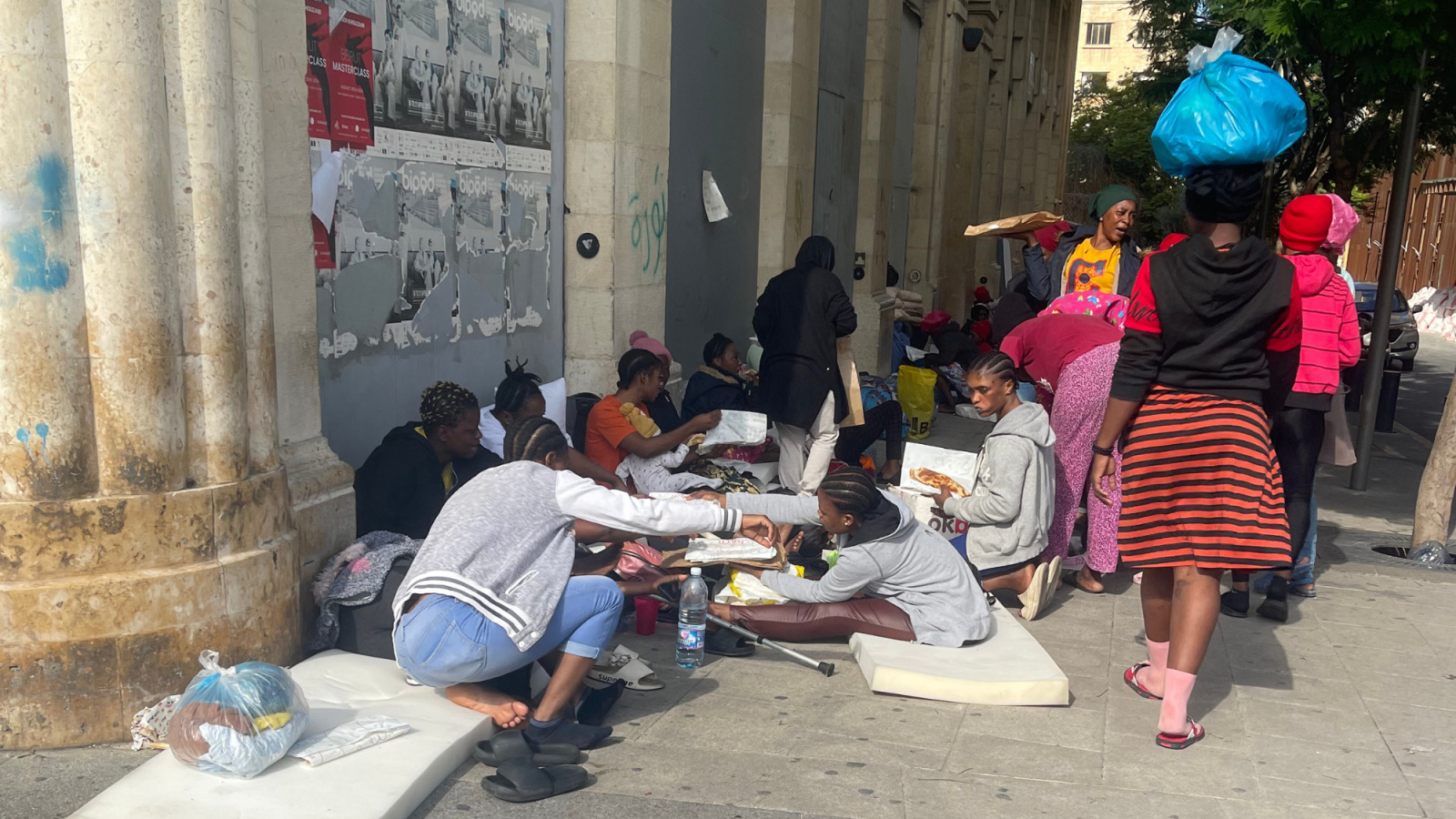
For thousands of migrant workers in Lebanon, the dangers of war extend far beyond airstrikes and armed conflict. Many are struggling to survive not only the renewed violence but also years of exploitation under the country’s controversial Kafala sponsorship system, which human rights groups have long criticized for enabling abuse and restricting workers’ freedom.
As conflict continues to displace communities across Lebanon, migrant workers remain among the most vulnerable groups. While wealthier residents can relocate to safer areas and others may find refuge in emergency shelters, many migrants have nowhere to go. Caught between war, poverty, and an immigration system that often leaves them without legal protection, their situation has become increasingly desperate.
According to the International Organization for Migration (IOM), more than 164,000 migrants were living in Lebanon as of January 2026. By March, the organization estimated that over 45,000 migrants had been displaced from their homes or workplaces due to ongoing hostilities. However, aid workers believe the true figure could be much higher because many migrant workers remain undocumented or fall outside official registration systems.
A significant number of migrant domestic workers enter Lebanon legally through the Kafala system, which ties their legal status to a specific employer. Many become undocumented after fleeing abusive working conditions or when employers fail to renew their residency permits. As a result, they are often left trapped in legal uncertainty with limited access to protection or support.
Among them is Kadiatu Gundo, a migrant worker from Sierra Leone who arrived in Lebanon in 2021 hoping to earn enough money to support her family and continue her education. Instead, she says she found herself working under harsh conditions with little rest and overwhelming pressure. After leaving her employer, she lost her legal status and now survives through occasional part-time work.
Like many migrant workers, Kadiatu says she was promised employment opportunities that differed greatly from the reality she encountered upon arrival. She claims her passport was confiscated by her employer, making it difficult to leave the country or seek assistance. Today, she lives in uncertainty as conflict and economic hardship continue to limit employment opportunities.
Another migrant worker, Mary, also from Sierra Leone, described similar experiences. She said she was promised office work before arriving in Lebanon but was instead forced into domestic labor. She worked long hours for low wages and struggled to access healthcare when she experienced serious medical complications.
Mary eventually fled her employer and now shares a crowded apartment with several other migrant women near the Shatila area of Beirut. Despite escaping an abusive environment, she says life remains difficult due to discrimination, financial hardship, and the ongoing threat of conflict.
Aid organizations report that many migrant workers have been abandoned during periods of violence. Some employers reportedly left the country without returning workers’ passports or making arrangements for their safety. As fighting intensified, many migrants found themselves homeless, unemployed, and unable to travel because they lacked identity documents.
One of the few places offering shelter is St. Joseph Convent in Beirut, where humanitarian organizations have converted church facilities into temporary accommodation for displaced migrants. The shelter, designed for far fewer people, is now housing hundreds of individuals from countries including Sudan, Sierra Leone, Sri Lanka, Chad, and the Philippines.
Humanitarian workers say migrant communities often receive less attention than Lebanese citizens and registered refugees during emergencies. As a result, many are left without adequate housing, food, healthcare, or legal assistance. Some have also struggled to access support from embassies and international agencies.
For Sudanese migrant Sumaya, the situation is especially painful. After fleeing conflict in Sudan and building a life in Lebanon, she now finds herself displaced once again by war. Forced to flee with her husband and children during bombing raids, she says she has no idea whether her home still exists or what the future holds for her family.
Others have lost everything. Indrani, who has spent more than two decades working in Lebanon, says two homes she lived in were destroyed during separate periods of conflict. She now finds herself without property, savings, or a clear path forward.
The experiences of migrant workers in Lebanon highlight the intersection of conflict, displacement, and labor exploitation. Many have escaped violence in their home countries only to encounter new hardships abroad. For those living under the Kafala system, war has intensified existing vulnerabilities and exposed deep inequalities that continue to affect migrant communities.
As humanitarian needs grow, migrant rights advocates are renewing calls for reforms to the Kafala system and greater protection for foreign workers. They argue that without meaningful change, thousands of migrants will remain trapped between conflict, discrimination, and an immigration system that leaves them vulnerable to abuse.
For many migrant workers in Lebanon, the dream of a better life has been replaced by a daily struggle for safety, dignity, and survival. With no clear end to the crisis in sight, their future remains uncertain as they continue to navigate life between war and exploitation.