
The latest migration data from the BBC News gives a detailed picture of how movement into the United Kingdom is changing, showing a drop in asylum applications while other areas like visas and irregular arrivals continue to shape the overall trend.
Recent figures show that the number of people seeking asylum in the UK has fallen as of February. However, experts say this is only one part of a much wider migration story. To understand the full picture, it is important to look at other key indicators such as total immigration, emigration, visa approvals, and small boat crossings.
Data from the Office for National Statistics explains that net migration refers to the difference between people entering and leaving the UK for at least one year. This figure is usually rounded and updated twice a year. It remains one of the most important ways to measure long-term migration trends.
Legal migration continues to play a major role through visa routes. The Home Office reports that visa data includes only approved applications and not actual arrivals. Work visas cover sectors like healthcare, seasonal jobs, and domestic work, while study visas include students sponsored by approved institutions. Family visas allow people to join relatives already living in the UK, and other categories include humanitarian schemes such as support routes for Ukrainians.
Asylum accommodation remains a key issue in the UK migration system. Government data shows that asylum seekers are housed in different types of accommodation, including hotels and dispersal housing across local areas. The distribution varies widely, with some regions hosting far more asylum seekers than others. Authorities use comparisons to measure whether an area is housing more or fewer people than the national average.
Another major concern is the backlog of asylum cases. Many applicants are still waiting for initial decisions, while others are going through appeal processes handled by the justice system. These delays continue to put pressure on accommodation and public resources.
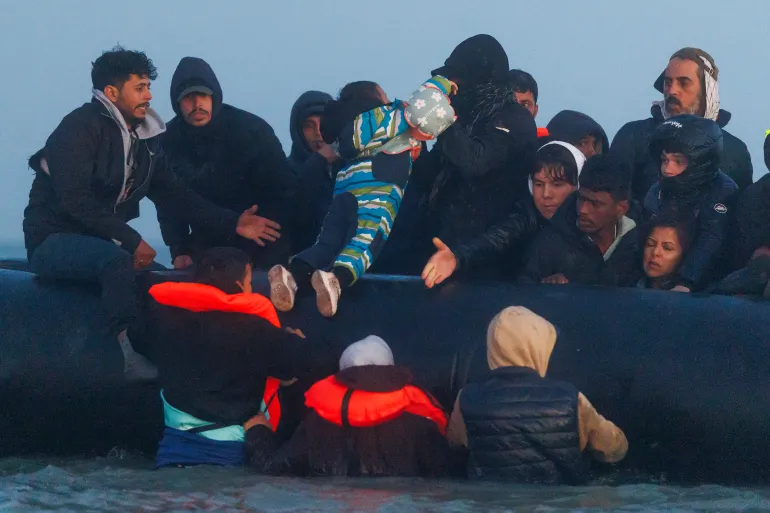
Small boat crossings across the English Channel remain one of the most discussed aspects of migration. Daily data from the Home Office tracks how many people arrive through this route and how many individuals are typically on each boat. While entering the UK without permission is illegal, many migrants are not prosecuted if they apply for asylum upon arrival. However, those involved in smuggling or repeat offences may face legal action.
The International Organization for Migration also tracks deaths and missing persons during these dangerous journeys. These figures are believed to be underreported, as not all incidents are officially recorded, highlighting the risks migrants face while attempting to reach the UK.
Migration data also includes returns and deportations. These fall into several categories, including enforced removals, voluntary departures supported by the government, and independent returns. Some individuals returned from the UK have criminal convictions, either within the country or abroad.
When compared with other European nations, the UK’s migration patterns are influenced by global events, labour demand, and humanitarian crises. Data from Eurostat and other international sources show that migration levels differ across countries depending on policies, population size, and economic needs.
Overall, the latest figures show that UK migration is complex and constantly changing. While asylum numbers may be falling, other factors such as visa approvals, irregular arrivals, and processing backlogs continue to shape the broader migration landscape.