
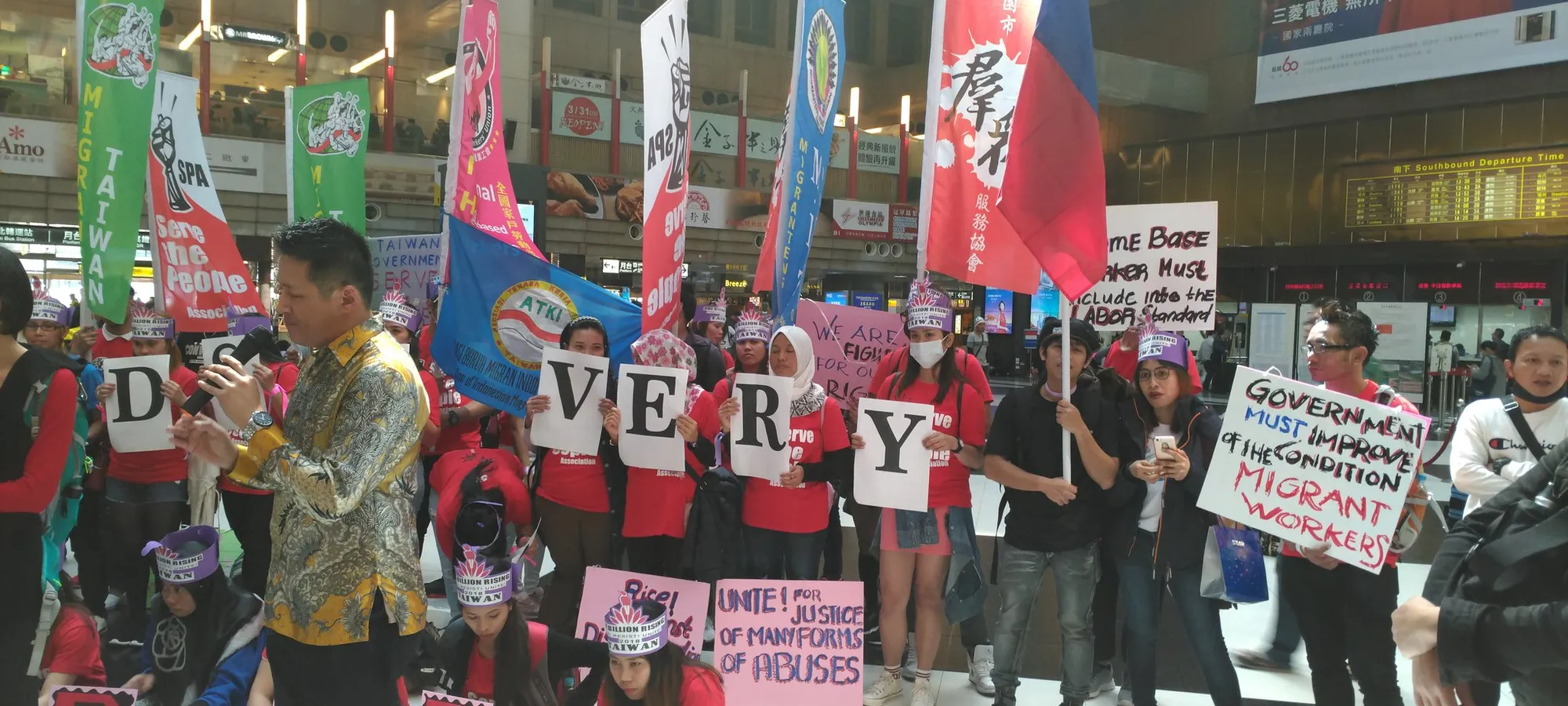
The governments of Taiwan and the United States have reached a new agreement aimed at improving labor protections, including stronger safeguards for migrant workers.
The deal, known as the Agreement on Reciprocal Trade (ART), includes a ban on the import of goods made using forced labour. This move aligns with Section 307 of the U.S. Tariff Act, which already restricts such products from entering the American market.
According to Taiwan’s Ministry of Labor, the country will adopt similar measures through its domestic laws. This means that goods produced under forced labour conditions will no longer be allowed into Taiwan.
The agreement also focuses on protecting migrant workers from exploitation. Authorities pledged to stop employers or recruiters from taking workers’ identity documents, a practice often linked to abuse and control.
In addition, Taiwan plans to ban recruitment fees for migrant workers in the manufacturing and fishing sectors within the next three years. These fees are often a heavy burden on workers and can push them into debt before they even begin work.
Labour groups have welcomed the agreement, saying it brings Taiwan closer to global labour standards and strengthens protections for vulnerable workers.
The deal highlights growing international efforts to improve working conditions and ensure fair treatment for migrant workers across supply chains.