
Spain is facing one of the biggest immigration regularization drives in its modern history as hundreds of thousands of undocumented migrants rush to apply for legal status before the June 30, 2026 deadline.
The extraordinary regularization programme, the ninth of its kind since the 1980s, offers undocumented migrants already living in Spain a chance to obtain temporary legal residency and a one-year work permit. The measure mainly targets migrants who arrived before December 2025 and are already working or living in vulnerable conditions.
According to reports, more than 550,000 applications had already been submitted only weeks after the application process officially began on April 16. The large number of applications has created pressure on Spain’s immigration system and raised concerns about whether authorities can process all requests on time.
The programme was introduced by the government of Pedro Sánchez through a royal decree rather than a full parliamentary vote. Supporters describe it as an important humanitarian and economic measure, while right-wing and far-right political groups have challenged it in court.
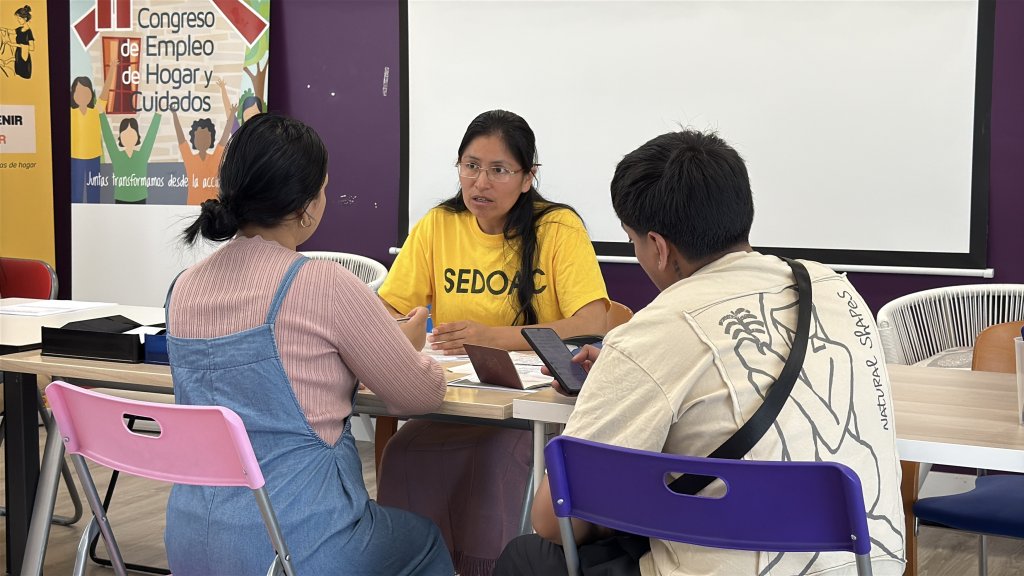
Edith Espinola, director of the Empowerment Center for Domestic and Care Workers (CETHYC), said the programme represents social justice for migrants who already contribute to Spanish society through work, education, and community life. She argued that undocumented migrants should be treated as neighbours rather than threats.
The regularization initiative is expected to benefit many Latin American migrants, along with smaller groups from Africa and Asia. Researchers estimate that Spain had around 840,000 undocumented foreigners as of January 2025. Many applicants come from countries such as Colombia, Peru, Honduras, and Bangladesh.
Migrants interviewed during the process described both hope and frustration. Ruma, a doctor from Bangladesh living in Madrid with her children, said the process involves large amounts of paperwork but could help her return to work in healthcare once approved.
Other migrants working in domestic care and service sectors said regularization could lead to better wages, improved working conditions, and protection from exploitation. Many applicants believe legal status will help them study, secure stable jobs, and access housing more easily.
Immigration lawyer Teresa Gómez said the process appears simple on paper but the short timeline has created uncertainty and pressure. She explained that one major change in this regularization drive is that applicants can receive a temporary identification number allowing them to work legally while their cases are being processed.
Supporters say this approach could help Spain’s economy because newly regularized migrants would contribute taxes and social security payments while filling labour shortages in sectors facing worker gaps.
However, public opinion in Spain remains divided. Some residents support the programme as necessary for economic growth and migrant rights, while others worry about housing shortages, employment pressure, and the country’s ability to manage rising migration levels.
In areas such as Lavapiés, one of Madrid’s most diverse neighbourhoods, migration has become a visible part of daily life, with businesses and communities from countries including Bangladesh becoming well established.
Critics argue that Spain must improve housing, employment opportunities, and public services alongside migration reforms. Supporters, meanwhile, see the programme as a test of whether Spain can balance economic needs, human rights, and social integration during a period of rising migration debates across Europe.
As the June 30 deadline approaches, the regularization drive is becoming a race against time for migrants, lawyers, and government officials alike.