
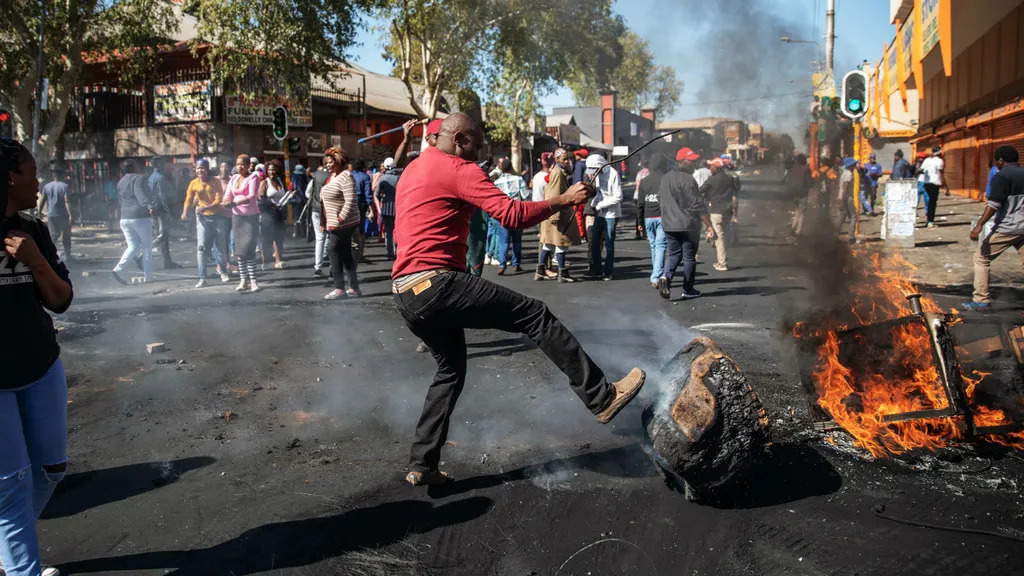
The International Organization for Migration (IOM) has called on journalists across West and Central Africa to avoid sensational reporting and the misuse of migration-related terminology, warning that inaccurate media coverage can fuel xenophobia and contribute to harmful public policies targeting migrants.
The warning was delivered by Ada Francis Xavier, Senior Media and Communications Officer at the IOM Regional Office in Dakar, during a media training session focused on improving migration reporting in the region. According to Xavier, the way migration issues are presented by the media plays a significant role in shaping public opinion and influencing policy decisions at local, national, and international levels.
He stressed that migration stories should not be reduced to statistics or political debates, noting that real people and their dignity are at the center of migration issues. Xavier emphasized that journalists have a responsibility to ensure their reporting reflects the human realities behind migration and displacement.
“The laws that are developed, the policies that are adopted, and the frameworks being discussed at different levels are shaped by how effectively the media carries out its role,” Xavier said. “The images and narratives presented by the media are often what people remember, and it is important not to lose sight of the need to protect people.”
Highlighting the influence of media narratives, Xavier referred to the 2015 Mediterranean migration crisis, when some international media organizations reviewed their use of migration-related language. He noted that certain outlets deliberately moved away from using the broad term “migrant” as a catch-all description, recognizing that such language could contribute to the unfair blaming of displaced populations for social and economic challenges.
Xavier explained that migration in Nigeria and across Africa involves different categories of people, including refugees, internally displaced persons (IDPs), economic migrants, and international students. Each group falls under specific legal and protection frameworks, making the correct use of terminology essential.
He noted that labeling someone as a refugee, for example, carries important legal implications because refugees are entitled to specific international protections. Using incorrect terminology can therefore misrepresent a person’s status and rights.
According to the IOM official, sensational reporting often amplifies political rhetoric and can create pressure for governments to introduce tougher migration measures that may undermine human rights protections. He warned that exaggerated or misleading coverage can contribute to public hostility toward migrants and reinforce negative stereotypes.
To improve reporting standards, Xavier encouraged journalists to balance the need for audience engagement with professional ethics and editorial responsibility. He urged media practitioners to make use of established resources such as the IOM Glossary on Migration to ensure accurate, balanced, and responsible coverage of migration-related issues.
The IOM continues to advocate for ethical journalism that promotes informed public discourse and respects the rights and dignity of migrants. The organization believes that accurate reporting is essential to addressing misinformation, reducing xenophobia, and fostering a more balanced understanding of migration across the region.