
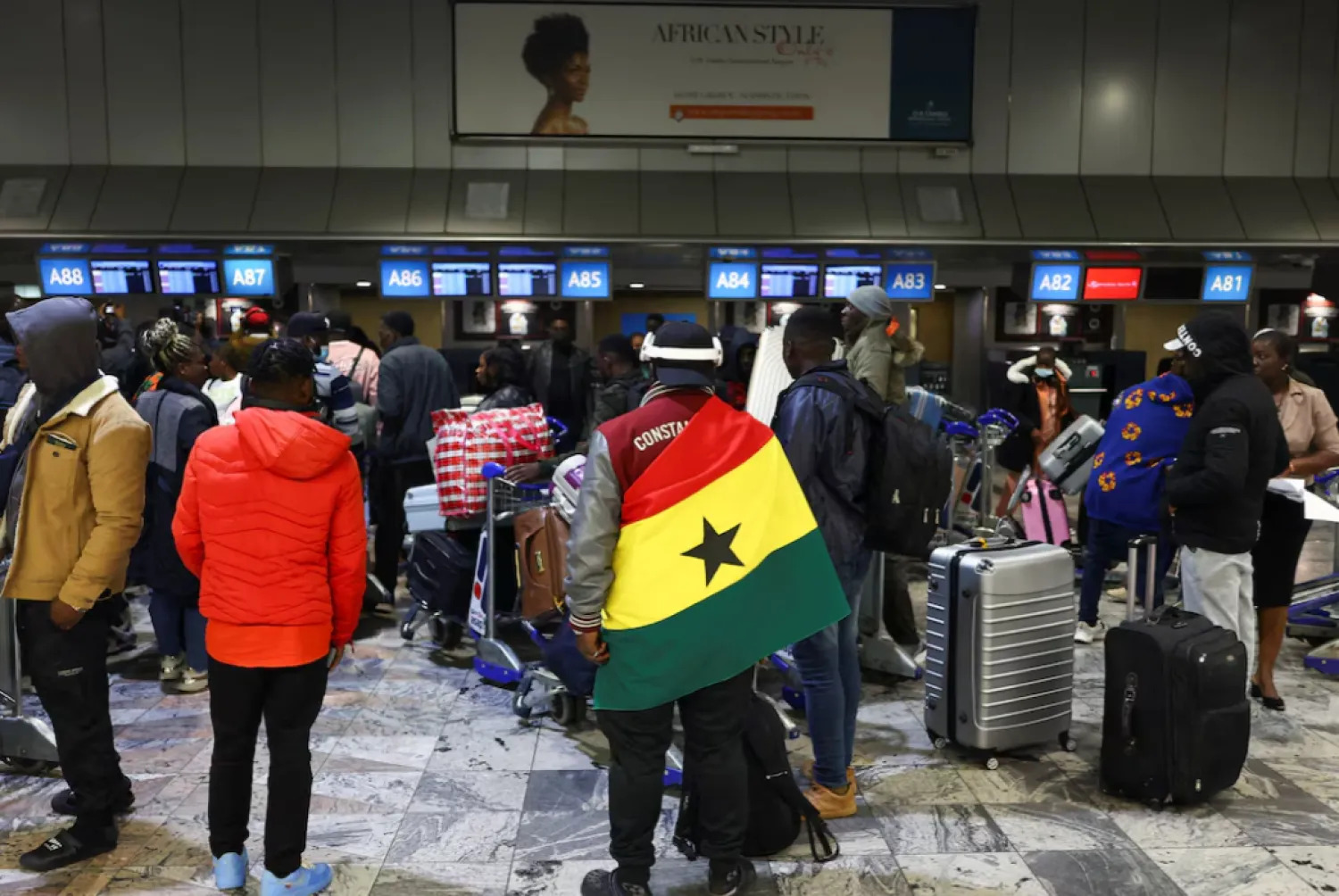
The Government of Ghana has advised its citizens to avoid non-essential travel to South Africa following a surge in anti-immigrant violence that has targeted African migrants in several parts of the country.
In a statement issued by Ghana’s Foreign Ministry on Monday, authorities expressed concern over increasing attacks carried out by groups identifying themselves as anti-immigrant movements. The ministry said the incidents have resulted in injuries, looting, business disruptions, and significant property losses for foreign nationals living in South Africa.
As a precautionary measure, Ghana urged its citizens to postpone non-essential trips to South Africa until the security situation improves. The ministry stressed that travelers should carefully assess the risks before making any travel plans to the country.
Ghanaian nationals currently residing in South Africa were advised to remain vigilant and maintain regular contact with Ghana’s High Commission for updates on security developments and access to consular support when needed.
The Ghanaian government also revealed that it has intensified diplomatic engagement with South African authorities regarding the attacks. According to the ministry, South Africa’s chargé d’affaires in Accra was summoned to discuss the matter, while the issue has also been brought before the African Union as concerns continue to grow over the safety of African migrants.
Officials said efforts are ongoing to provide assistance to affected Ghanaian nationals. Authorities are also exploring contingency plans, including possible evacuation arrangements, should the security situation deteriorate further.
Ghana called on the South African government to take urgent action to protect African communities residing in the country, restore public order, and ensure that those responsible for acts of violence are held accountable.
Reports indicate that anti-immigrant attacks have been occurring in several South African communities since April. Migrant-owned businesses have reportedly been targeted, leaving multiple people injured and forcing some foreign nationals to flee affected areas in search of safety.
The growing tensions have renewed concerns about xenophobia in South Africa, a country that has experienced similar outbreaks of violence against foreign nationals in previous years. Human rights advocates and regional leaders have repeatedly called for stronger measures to promote social cohesion and protect migrant communities.
Last month, Ghana formally requested that the issue of anti-immigrant violence be included on the agenda of the African Union’s 8th Mid-Year Coordination Meeting scheduled to take place in El-Alamein, Egypt, from June 24 to June 27. The move reflects growing concern among African governments over the impact of xenophobic attacks on regional unity and the free movement of people across the continent.
As diplomatic discussions continue, Ghana has reaffirmed its commitment to protecting its citizens abroad while urging South African authorities to take decisive steps to address the violence and ensure the safety of all residents regardless of nationality.