
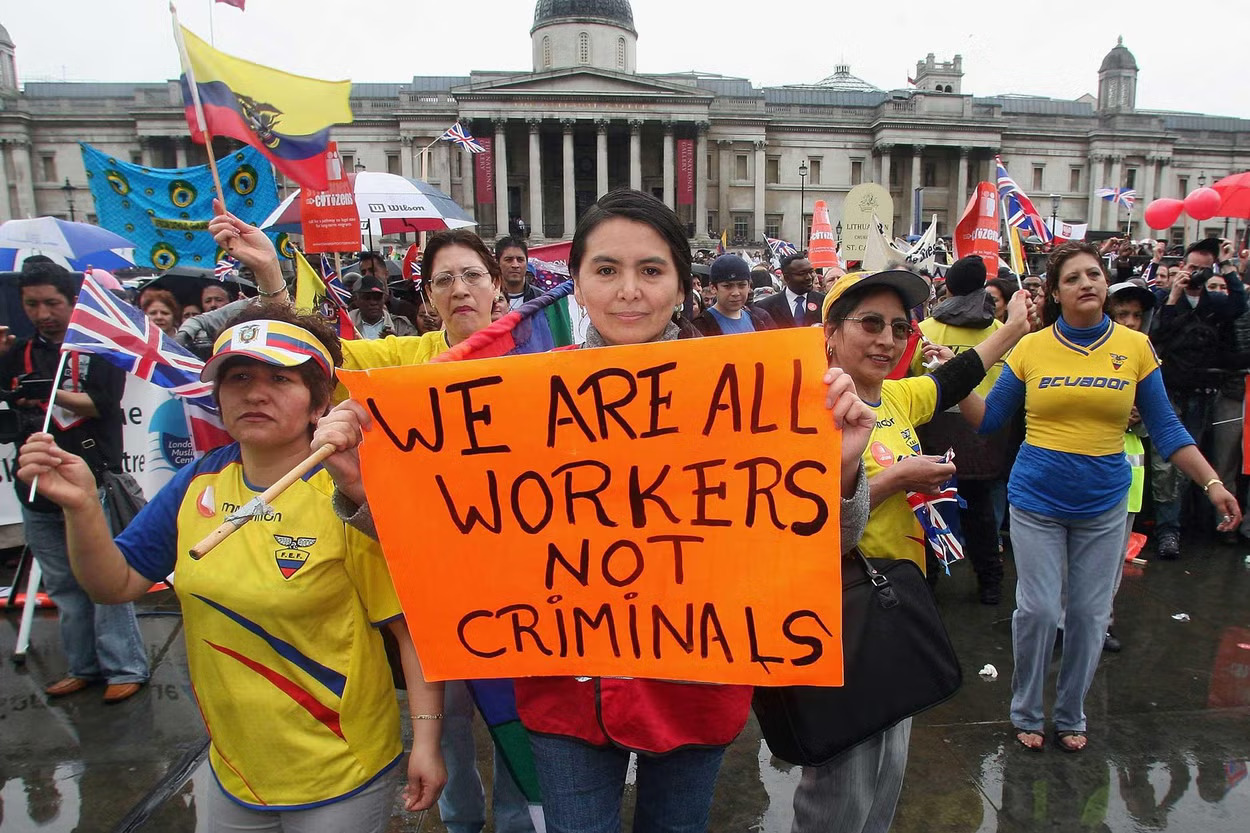
Britain is being urged to strengthen protections for migrant workers after concerns were raised over weak enforcement of labour rights, delayed tribunal processes, and widespread unpaid compensation awards.
The call comes in response to a recent employment tribunal case involving an Indian migrant worker, Shabin Shaji, who was awarded nearly £30,000 after his UK employer failed to provide him with work. The case has drawn attention to broader structural weaknesses in how migrant labour rights are enforced.
Commentators note that while such tribunal rulings are important, they represent only a small fraction of exploitation cases. Many migrant workers never pursue legal action due to barriers such as limited access to legal support, lack of awareness, and fears that making complaints could affect their immigration status, even when they are legally resident.
The situation has raised questions about the role of the newly proposed Fair Work Agency, which is expected to support the enforcement of workplace rights. However, concerns remain about whether the agency will be adequately funded and equipped to handle widespread cases of labour abuse affecting migrant workers.
A further issue highlighted is the severe backlog in the UK employment tribunal system. Some cases are reportedly being scheduled as far ahead as 2029 or 2030, creating long delays that critics say effectively weaken protections and allow some employers to avoid accountability if workers leave the country before hearings take place.
There are also growing concerns about enforcement after rulings are issued, with estimates suggesting that nearly half of employment tribunal awards go unpaid in full. This has fuelled arguments that the current system fails to deliver meaningful justice for many migrant workers facing exploitation.
Overall, the commentary argues that without major reform, existing legal protections risk becoming ineffective, leaving migrant workers exposed to continued exploitation in sectors where precarious employment is common.