
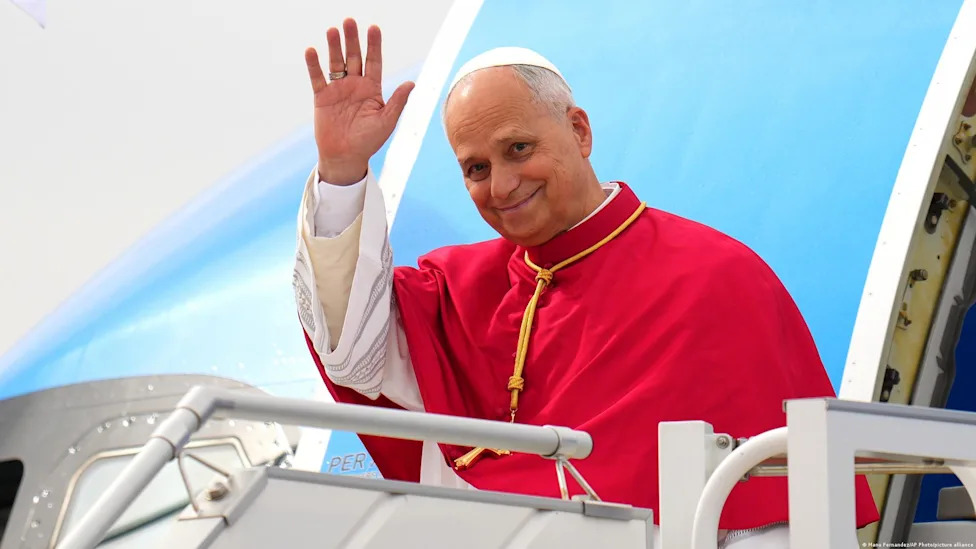
The upcoming visit of Pope Leo to Spain’s Canary Islands is expected to draw international attention to the treatment of migrants and the need for more humane migration policies across Europe.
The visit, which begins on Thursday, will be the first by a pope to the Canary Islands, an archipelago that has become one of Europe’s main entry points for irregular migration from Africa. Local Catholic leaders believe the pope’s presence will help focus global attention on the challenges faced by migrants and the communities receiving them.
During his trip, Pope Leo will visit the port of Arguineguin on Gran Canaria, a location that became a symbol of Europe’s migration crisis in 2020. At the time, around 1,000 migrants were stranded at the port, while thousands more were forced to sleep outdoors under conditions widely criticized by local officials and humanitarian groups.
On Friday, the pope is scheduled to visit a migrant reception centre on Tenerife and meet with more than 1,000 migrants. The group will include survivors of dangerous sea crossings from Africa as well as migrants who arrived from Latin America seeking better opportunities and safety.
Jose Mazuelos, Bishop of the Canary Islands, expressed hope that the papal visit would transform the image of Arguineguin from what was once described as a “port of shame” into a “port of hope.” He said the visit could encourage governments and institutions to adopt a more compassionate and comprehensive approach to migration while urging Europe to play a stronger role in addressing the root causes of migration.
The pope has consistently spoken about the importance of protecting migrants and refugees. During a stop in Madrid on Monday, he warned that the lack of support for migrants around the world was challenging the ethical foundations of the international order.
Migration to the Canary Islands has increased dramatically over the past decade. Official figures show that the islands received a record 46,843 irregular migrants in 2024, compared to fewer than 1,000 arrivals in 2015. One of the most affected islands, El Hierro, received migrant arrivals in 2024 that were nearly double its local population of about 11,000 residents.
Although arrivals dropped by 60 percent in 2025 after Spain strengthened migration agreements with countries such as Mauritania, migrants continue to embark on dangerous journeys from nations including The Gambia and Guinea-Bissau. These longer routes increase the risks faced by those attempting to reach Europe. According to the NGO Caminando Fronteras, more than 3,000 people lost their lives in 2025 while trying to reach the Canary Islands.
Many migrants hope the pope’s visit will bring greater international support. Lamine Endour, who arrived in the islands from Western Sahara in 2018, welcomed the pope’s efforts but called for additional assistance to help the Canary Islands continue supporting migrant communities.
Religious leaders on the islands also believe the visit could influence migration debates beyond Spain. Darwin Rivas, a priest on El Hierro who has assisted emergency teams helping newly arrived migrants, said the pope’s message could encourage policymakers to prioritize human dignity over border control measures.
Spain remains one of the few European countries pursuing relatively open migration policies. The government has introduced a program aimed at granting legal residency to more than half a million undocumented migrants. However, the initiative has faced criticism from far-right political groups, while thousands of migrants continue to wait months or even years for their legal status to be processed.
For many migrants living in Spain, the pope’s visit represents recognition of their experiences and sacrifices. Ruth Socorro, a Peruvian migrant living in Gran Canaria who plans to attend one of the pope’s meetings, said his concern for migrants reflects a simple truth: regardless of nationality or background, all people deserve dignity, respect, and equal treatment.