
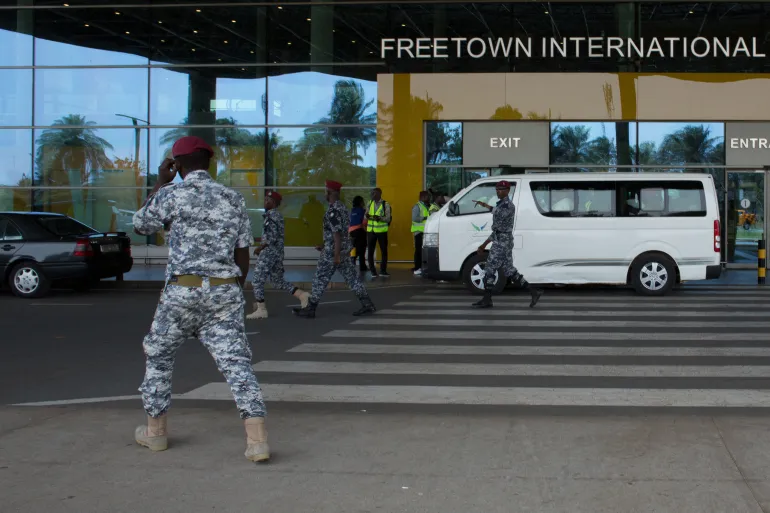
Sierra Leone has received its first group of migrants deported from the United States under a growing series of migration agreements involving several African countries. The flight arrived at an airport near the capital, Freetown, carrying nine migrants from different West African nations.
According to officials from the Ministry of Internal Affairs, the deportees included five people from Ghana, two from Guinea, one from Senegal, and one from Nigeria. The group is part of a wider US immigration enforcement effort that has led to deportations to multiple African countries.
Health officials in Sierra Leone said many of the deportees appeared emotionally distressed after spending months in detention in the United States. One official described them as “traumatised,” noting that they had been held in restrictive conditions before being flown out.
Some of the migrants reportedly said they were arrested in different situations in the US, including on the street, at workplaces, and even during leisure activities. Authorities said the group expressed a strong desire to return to their home countries as soon as possible.
The Sierra Leone government stated that the deportees will be temporarily housed in a hotel while arrangements are made for their return to their respective countries. Officials expect this process to be completed within two weeks.
Foreign Minister Timothy Musa Kabba confirmed that the arrangement allows Sierra Leone to host deportees for up to 90 days before they are moved onward. He added that the deal is supported by a $1.5 million US grant meant to cover humanitarian and operational costs.
Reports indicate that the United States has signed similar third-country deportation agreements with several African nations, including those facing economic and political challenges. These deals are part of broader immigration policies under US enforcement measures.
However, the arrangement has drawn criticism from rights groups. Human Rights Watch warned that such “opaque deals” could raise serious concerns about human rights protections and compliance with international law.