
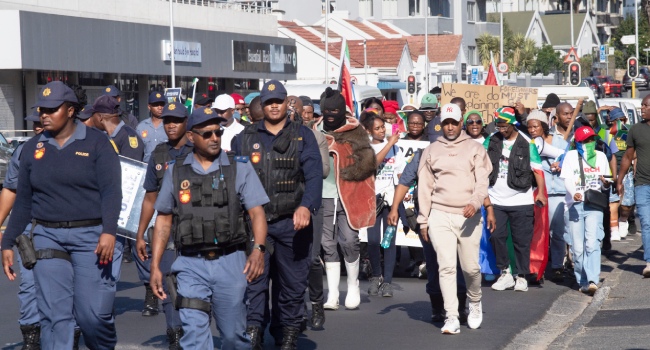
South Africa has launched a nationwide security operation ahead of planned anti-migrant demonstrations scheduled for June 30, amid growing fears that weeks of hostility toward foreign nationals could lead to widespread unrest.
The protests are being organized by the anti-immigration group March and March and its allied organizations, which have issued an ultimatum demanding that undocumented migrants leave the country by Tuesday. While organizers insist the demonstrations will be peaceful, authorities and businesses are preparing for possible violence and major disruptions.
The South African government has redirected about R600 million (approximately $36 million) to strengthen security operations. Additional police officers have been deployed across the country, while the military has been placed on standby to respond if the situation escalates. President Cyril Ramaphosa has warned that anyone who breaks the law during the protests will face the full force of the law.
Businesses are also taking precautionary measures. Freight companies are adjusting delivery schedules and increasing security for drivers and cargo. Business Against Crime South Africa has activated emergency response plans similar to those used during the deadly 2021 unrest in KwaZulu-Natal, which followed the imprisonment of former President Jacob Zuma. The organization will provide helicopters, drones, armored vehicles, and emergency medical services to support security operations.
Fidelity Services Group, one of South Africa’s largest private security companies, has established a joint national command center with police to monitor developments. Company officials say their biggest concern is that smaller groups may exploit the planned demonstrations to carry out acts of violence, even if the main organizers encourage peaceful protests.
In recent weeks, members of March and March have staged demonstrations in several low-income communities, demanding that business owners prove their employees are legally allowed to work in South Africa. Some protesters have reportedly carried sticks and knives during these actions, increasing concerns about public safety.
The growing tensions have already had serious consequences. Reports indicate that at least five African migrants have been killed since the protests began last month. Thousands of others have accepted voluntary repatriation flights arranged by their home governments, while many have sought shelter in churches or outside foreign embassies.
Security analysts have identified around 160 planned demonstrations or community actions across the country on June 30. The provinces of KwaZulu-Natal, Gauteng, and the Western Cape are considered the highest-risk areas because of recent anti-migrant activities and large migrant populations.
The protests come at a time of deep economic hardship in South Africa, where unemployment remains around 30 percent. Many foreign nationals have become targets of public frustration over illegal immigration, with critics blaming migrants for job shortages and pressure on public services.
In KwaZulu-Natal, Premier Thami Ntuli said authorities have deported around 12,000 undocumented migrants in recent weeks as part of efforts to address immigration concerns. However, business leaders warn that some employers have exploited undocumented workers by paying wages below legal industry standards, creating further tensions within the labour market.
The humanitarian impact is also growing. Around 1,600 Malawian nationals remain stranded in a condemned building in Pietermaritzburg after relocation efforts stalled. In Cape Town, local authorities have begun moving thousands of displaced Zimbabwean migrants into temporary accommodation following the rapid growth of informal settlements.
The rising hostility has spread beyond poorer communities into wealthier suburbs. Some migrants report experiencing harassment for the first time after living peacefully in South Africa for many years. As authorities prepare for the demonstrations, many citizens hope increased security will prevent violence while protecting both residents and migrant communities from further harm.