
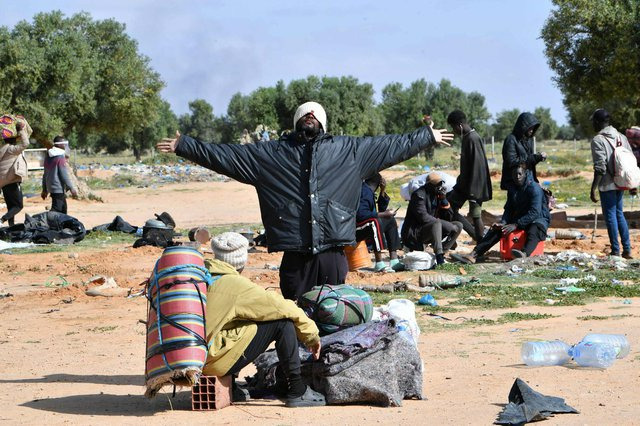
Tunisia is expanding its voluntary repatriation programme for irregular migrants from sub-Saharan Africa as the country continues to face growing migration pressure along its coastal regions. Authorities say the policy is now their main approach to managing irregular migration and reducing dangerous attempts to cross the Mediterranean Sea toward Europe.
Recent operations show that 210 migrants were moved on June 6 by National Guard units from Tunis, Nabeul, and Sousse to the Kilometre 21 transit camp in El Amra, located in the Sfax governorate. This latest transfer brought the weekly total to around 420 people, which is double the usual rate recorded in previous weeks.
The Kilometre 21 facility, which began operating in July 2025 after the removal of several informal migrant settlements, now serves as Tunisia’s central hub for voluntary return procedures. It is used for registration, reception, and coordination before migrants are returned to their countries of origin with support from embassies, international partners, and aid organisations.
According to Tunisian authorities, many of the migrants involved in the programme come from Côte d’Ivoire, Guinea, Mali, and Nigeria. Some had gathered in urban areas such as Tunis, while others were relocated from regions like Nabeul and Sousse before being transferred to the transit centre.
Officials, including spokesperson Houssem Eddine Jebabli of the National Guard, say around 4,500 sub-Saharan migrants have already returned home through coordinated operations. The International Organization for Migration International Organization for Migration has also been involved in supporting these voluntary return efforts alongside Tunisian authorities.
Government figures suggest that as many as 27,000 migrants have returned to their countries of origin through similar programmes. Authorities argue that increasing participation is linked to efforts aimed at reducing irregular sea crossings and limiting land-based movement into Tunisia over the past three years.
Despite these reported successes, challenges remain. Many migrants lack valid travel documents, and fluctuating participation levels can make planning difficult. At the same time, migration remains a sensitive issue in Tunisia, especially following recent incidents and public debate surrounding the treatment of sub-Saharan African migrants.
Officials say voluntary return will continue to be promoted as both a humanitarian option and a practical tool for managing migration flows, reducing overcrowding in key regions, and addressing one of Tunisia’s most complex political and social challenges.