Close Menu
Migrant Affairs
    Trending News

    EU Opens Contact with Taliban Over Migrant Returns

    October 20, 2025

    EU Strengthens Europol Role to Fight Migrant Smuggling and Trafficking

    September 26, 2025

    EU Border Policies Under Scrutiny After Deadly Migrant Shipwreck

    March 1, 2024

    EU Records Highest-Ever Number of Asylum Applications in 2023

    February 28, 2024

    Doctors Without Borders Condemn European Union Migration Policies

    February 24, 2024

    UK gets EU intelligence on human trafficking

    February 23, 2024
    Facebook X (Twitter) Instagram
    Facebook X (Twitter) Instagram
    Migrant Affairs
    Subscribe
    • Home
    • About
    • News
    • Features
    • Contact
    • Privacy Policy
    • Terms and Conditions
    • Imprint
    Migrant Affairs
    Home » Estonia Leads the World by Adding WHO Refugee and Migrant Health Standards to Medical Training
    World

    Estonia Leads the World by Adding WHO Refugee and Migrant Health Standards to Medical Training

    February 19, 2026Updated:March 3, 20262 Mins Read
    Facebook Twitter LinkedIn Copy Link WhatsApp
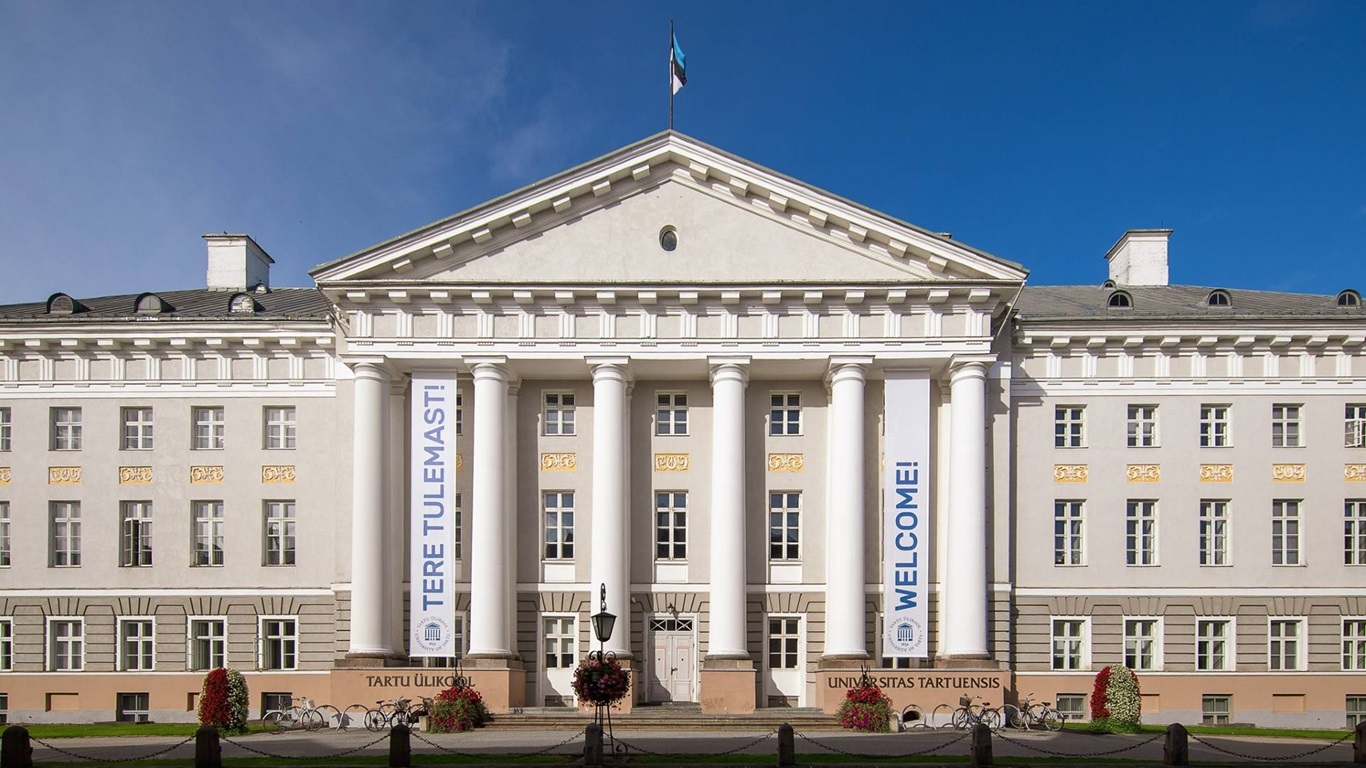
    WHO refugee migrant health standards Estonia
    Credits: WHO / Andres Tennus
    Share
    Facebook Twitter LinkedIn Copy Link WhatsApp

    Estonia has taken a major step in advancing inclusive health education by becoming the first country in the world to embed global standards for refugee and migrant health into its medical training. The move was implemented through the University of Tartu, which has incorporated the WHO Global Competency Standards into its curriculum as an elective e-course, helping to prepare future health professionals to better serve diverse populations.

    The standards were developed by the World Health Organization under its Special Initiative on Health and Migration. They outline the key skills and behaviours health workers need to provide high-quality care for refugees and migrants. The framework focuses on five main areas, including people-centred care, effective communication, collaboration across sectors, evidence-based practice, and professional conduct, ensuring that health workers can respond to language barriers, cultural differences, and ethical challenges.

    According to Dr Santino Severoni, who leads the initiative, integrating these competencies into training is an important step toward preparing doctors, nurses, and other professionals to deliver respectful and equitable care. He noted that the approach encourages students to understand both medical science and the social realities that affect health outcomes among displaced populations.

    Medical students and practising health professionals at the University of Tartu can now take part in the elective course, which allows them to explore real-world applications of inclusive care in clinical and community settings. By learning these principles early, students gain practical tools to support refugees and migrants and to better understand their lived experiences.

    The initiative forms part of broader regional efforts to strengthen health systems across Europe. Training sessions based on the same standards have already been conducted in countries such as Latvia and Romania, particularly for professionals supporting people displaced by the war in Ukraine. These programmes aim to promote trauma-informed and culturally sensitive care.

    By embedding the standards into formal education, Estonia is setting an example for other countries considering similar reforms. The experience shows that global guidelines can be adapted within national training systems, offering a scalable model for improving health workforce preparedness and ensuring more inclusive services.

    The World Health Organization is also collaborating with the European Union and the International Organization for Migration on projects to improve access to health care for refugees and displaced people across several European countries. These efforts highlight growing international recognition that strengthening health workforce skills is essential to meeting the needs of mobile and vulnerable populations.

    Estonia health education reform global health workforce immigrants Immigration inclusive healthcare education migrant migrant health policy migrants migration refugee health training Europe University of Tartu medical curriculum WHO migrant health standards
    Share. Facebook Twitter LinkedIn Copy Link WhatsApp

    Related Posts

    Estonia Deploys Additional Border Officers to Latvia as Migration Pressure Intensifies

    July 29, 2026

    UN Warns Against Using Refugees and Migrants as Political Tools in Election Campaigns

    July 29, 2026

    South African Faith Leaders Call for Peace as Anti-Migrant Violence Enters Second Month

    July 29, 2026
    Top Posts

    Organizations Supporting Migrants and Refugees Worldwide

    The Impact of Social Media on Migrant Advocacy and Awareness

    Germany’s National Election 2025: Political Party Ideologies on Migration and Migrants

    Top Scholarships and Educational Opportunities for Migrants and Refugees in 2026

    Don't Miss

    Germany Suspends Nearly 9,000 Deportations After Migrants Go Missing

    August 19, 20263 Mins ReadBy RACHAEL ADEEGBE

    Germany was forced to suspend nearly 9,000 deportations during the first half of the year…

    Read More

    Germany Seeks Resumption of Migrant Transfers to Italy and Greece Under New EU Asylum Rules

    August 10, 2026

    Germany’s Top Court Orders Review of Afghan Visa Cases

    July 27, 2026

    German Court Jails Man for Seven Years Over Dangerous Migrant Smuggling Operations

    July 21, 2026

    Munich Airport to Build Dedicated Terminal for Migrant Deportations

    July 16, 2026

    Germany and Switzerland Arrest Five Suspected Members of Migrant Smuggling Network

    July 10, 2026
    RSS News Around
    Stay In Touch
    • Facebook
    • Twitter
    • LinkedIn
    • WhatsApp
    RSS More News
    • Harry Kane named footballer of the year in Germany
    • What is the 'political firewall' against Germany's far-right AfD?
    • Germany news: Most voters expect Merz to leave office early
    • Small German airplane crashes in Croatia, killing 2
    • Industry and residents clash over water near Berlin
    Recent posts
    • Amnesty Calls on Italy to End Albania Migrant Detention Agreement
    • More Than 200 Migrants Arrive in Greece Within 24 Hours as Crete Route Intensifies
    • Liberia Receives First 20 Migrants Deported From US Under New Resettlement Deal
    • Spanish Police Arrest Five Suspected Smugglers Accused of Transporting Ceuta Migrants
    • Germany Suspends Nearly 9,000 Deportations After Migrants Go Missing
    About Us

    A news and information site documenting and sharing relevant and helpful stories and resources for and about Migrants.

    Email Us: info@migrantaffairs.info

    Facebook X (Twitter) WhatsApp
    Top Stories

    Liberia Receives First 20 Migrants Deported From US Under New Resettlement Deal

    August 21, 2026

    Germany Suspends Nearly 9,000 Deportations After Migrants Go Missing

    August 19, 2026

    South Africa Anti-Migrant Group Sets September 30 Deadline for Undocumented Foreigners

    August 17, 2026
    RSS Business News
    • Why Germany's gas storage levels are so low
    • Evergrande founder Hui Ka Yan sentenced to life in prison
    • Who really owns the Caspian Sea?
    • Will Germany's drought push up food prices?
    • Norway wealth fund sounds alarm on AI stock market bubble
    RSS Expat Jobs
    Migrant Affairs
    • Home
    • About
    • News
    • Features
    • Contact
    • Privacy Policy
    • Terms and Conditions
    • Imprint
    © 2026 Migrant Affairs

    Type above and press Enter to search. Press Esc to cancel.