
Conditions at Greece’s Sintiki migrant detention centre have triggered repeated protests, clashes and escape attempts, while detainees say prolonged confinement and poor living conditions are taking a serious toll.
The facility, near Greece’s border with Bulgaria, currently holds several hundred people, many of them from Bangladesh and Egypt. It was converted into a special detention centre in July 2025 following Greece’s decision to suspend asylum applications for some migrants arriving irregularly.
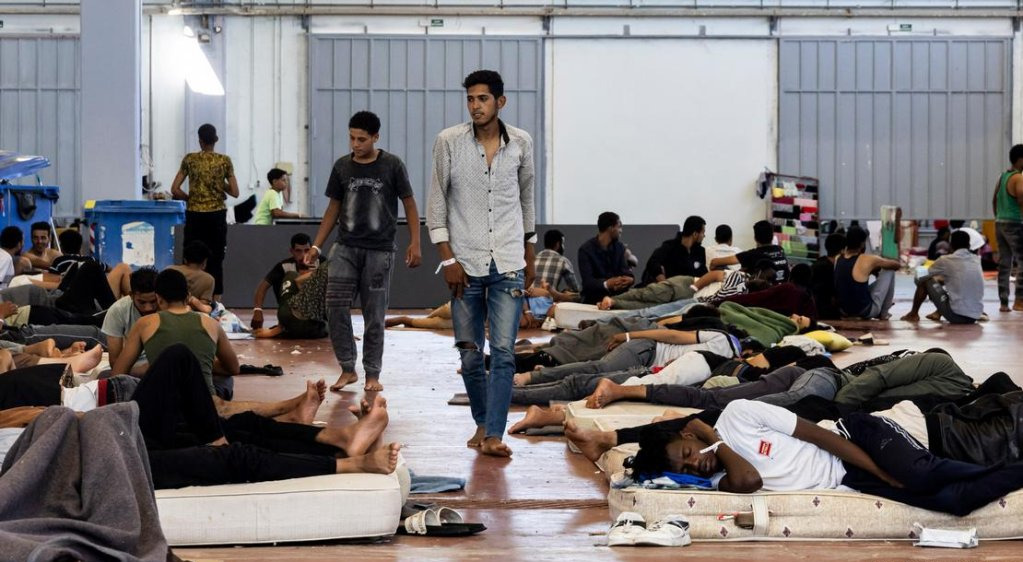
Detainees have described overcrowded accommodation, inadequate sanitation, poor food and a lack of basic facilities. In an open letter issued on August 26, people held at the centre said more than 300 detainees were sharing four bathrooms and three taps. They also reported broken air conditioning and sleeping arrangements in which more than 15 people sometimes shared rooms with only four or five beds.
The detainees said the prolonged confinement was affecting them physically and psychologically, with some saying they had considered suicide. They described hunger strikes and confrontations with police as attempts to draw attention to their situation.
Tensions escalated during the summer. In August, detainees reportedly threw stones at police and damaged parts of the facility before cutting through a fence. Greece’s migration ministry said 41 people escaped during the incident, while 17 were later arrested.
People held at the centre have also reported sleeping on cardboard because of a shortage of beds. One Egyptian detainee told Greek news outlet The Press Project that 10 people were sharing a small container without air conditioning during periods of extreme heat.
There have also been reports of scabies and other illnesses, as well as bedbugs, cockroaches and rats inside the facility.
The conditions have drawn criticism from local officials, activists, lawyers and medical professionals. Local police have called for the centre to be closed for renovation following the unrest.
One guard told AFP that he understood why some detainees had attempted to escape, saying they had reached a breaking point.
The Greek Council for Refugees has asked the country’s Ombudsman to inspect the facility following complaints about overcrowding, sanitation, food and delays in medical care. The organisation said the centre had exceeded its official capacity and raised concerns about deficiencies in its infrastructure.
Doctors working with detainees have also described poor hygiene and limited access to basic services. Afroditi Stambouli, a doctor and former Greek lawmaker, said some detainees had appeared in court wearing damaged clothing and suffering from skin conditions.
The Greek government has defended its migration policies and has presented Sintiki as a model detention facility. Migration Minister Thanos Plevris said in August that the centre was intended to discourage irregular migration and increase the number of returns.
Greek authorities say irregular arrivals fell by 15 percent during the first half of the year. The government has also tightened access to asylum for people who enter the country irregularly.
The situation at Sintiki has nevertheless raised concerns about the treatment of people detained while awaiting decisions on their immigration status. For detainees who have already experienced war, imprisonment and dangerous journeys, the prolonged confinement has added another layer of uncertainty and distress.
Residents have also expressed concern following reports of riots and escapes, while authorities face pressure to address conditions inside the centre.