
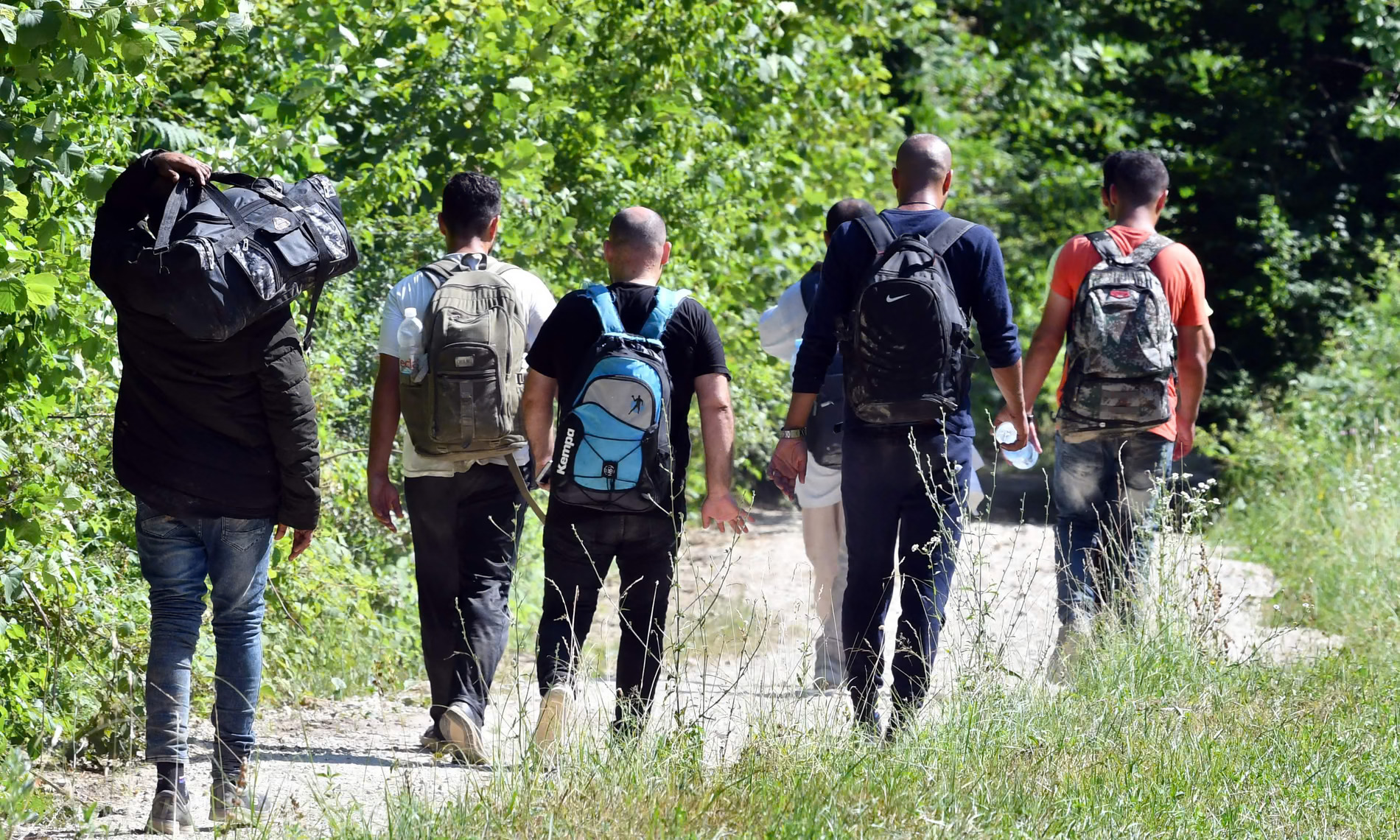
Human Rights Watch (HRW) has called on Croatia to end the forced return of migrants and asylum seekers across its borders, warning that border police continue to subject vulnerable people, including unaccompanied children and families with young children, to violence and mistreatment.
In a report published on November 24, 2026, the international human rights organisation documented allegations of repeated abuses by Croatian border police against migrants attempting to enter the country from Bosnia and Herzegovina.
The 43-page report, titled Doing Europe’s Dirty Work: Ongoing Violent Pushbacks of Migrants from Croatia to Bosnia and Herzegovina, is based on interviews with more than 80 people, including children, who described their experiences at the Croatian border.
Those interviewed reported being beaten, kicked and mistreated by border officers. Some also said their money had been taken and their mobile phones confiscated or destroyed during pushback operations.
HRW said the reported practices often involved returning migrants to Bosnia and Herzegovina without allowing them to register asylum applications or have their individual protection needs assessed.
The organisation warned that existing border-monitoring arrangements had failed to prevent the alleged abuses, despite previous criticism from international human rights institutions.
The consequences have been particularly difficult for families and unaccompanied children, many of whom have been forced to seek accommodation at the Lipa Migrant Reception Centre in Bosnia and Herzegovina.
The centre, described in the report as the only available accommodation option for some affected families and children, faces serious shortages of basic services. These include persistent water shortages, frequent electricity disruptions and limited access to public transportation.
Healthcare services are also severely restricted, while children living at the facility have no access to education, raising further concerns about their safety, wellbeing and development.
HRW has called on the Croatian government to immediately stop unlawful pushbacks and collective expulsions of migrants and asylum seekers. It also urged authorities to provide free and effective legal assistance, prevent family separations and take measures to protect the rights of everyone arriving at the country’s borders.
The organisation further called for greater cooperation with United Nations human rights monitoring bodies and the establishment of an independent mechanism to oversee border operations.
HRW also directed recommendations at the European Union, urging it to suspend funding for Croatian border operations until reported abuses have stopped and effective accountability measures are introduced.
Bosnian authorities were also urged to move vulnerable migrant children to appropriate accommodation where they could access essential services and protection.
The criticism comes as Croatia implements the EU Pact on Migration and Asylum, which began applying across member states on June 12, 2026. The agreement introduced common rules for managing migration, strengthening external border controls and improving the organisation of asylum procedures.
However, human rights organisations have questioned whether the EU is doing enough to ensure that member states comply with their obligations towards migrants and asylum seekers.
Amnesty International has previously criticised EU institutions for failing to ensure adequate protection of human rights at Croatia’s borders, despite continued financial support for the country’s border-control operations.
Croatia has faced repeated allegations of violent pushbacks over several years. In a 2023 report, HRW cited Danish Refugee Council data documenting nearly 30,000 pushbacks between January 2020 and December 2022.
The report also highlighted the vulnerability of children during these operations, with unaccompanied minors and children travelling with their families accounting for approximately 13 per cent of recorded pushbacks in 2022.
The latest findings have renewed concerns about the treatment of migrants along the Western Balkan route and the protection available to people seeking international protection in Europe.