
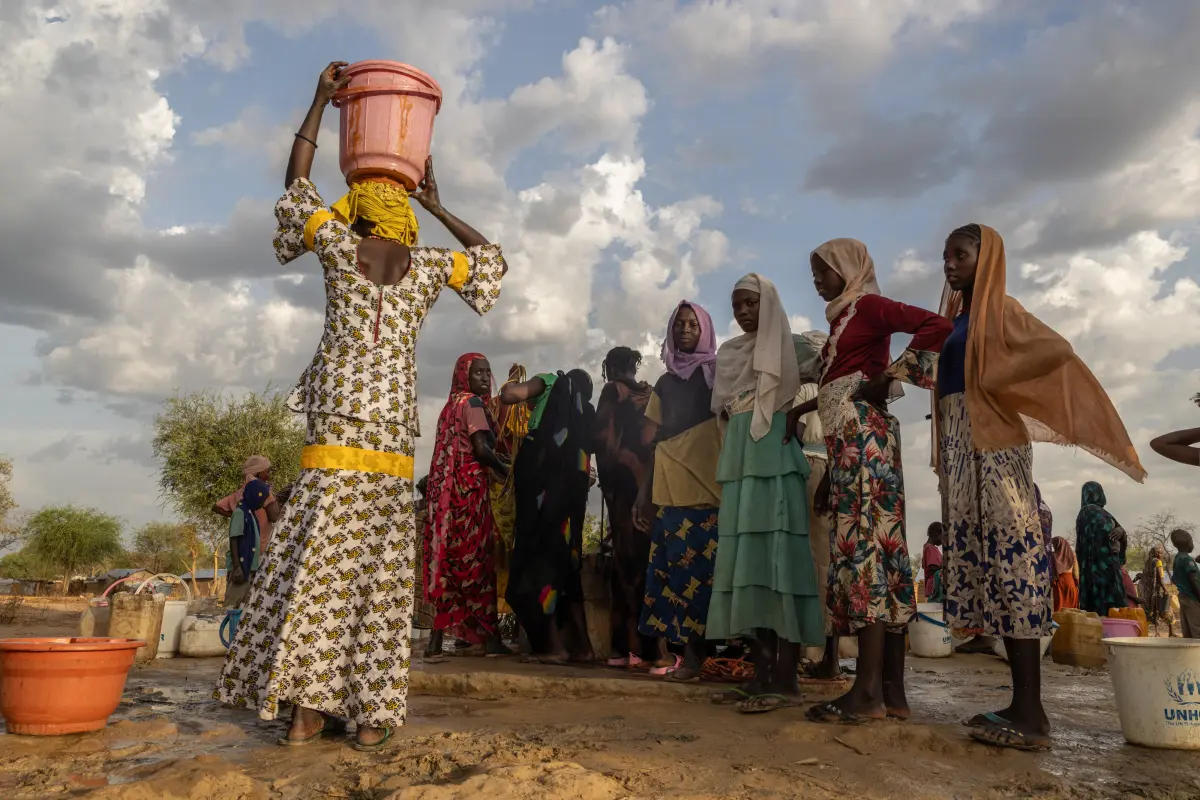
Funding cuts are leaving migrant and displaced women and girls without access to essential services needed to escape violence, exploitation and abuse, the International Organization for Migration (IOM) has warned.
In a statement issued on November 25, 2026, to mark the start of the annual 16 Days of Activism against Gender-Based Violence campaign, the UN migration agency said reductions in humanitarian funding were forcing shelters, healthcare facilities and support services to close, leaving vulnerable women with fewer options for protection.
IOM Director General Amy Pope warned that the closure of these services could prevent women from escaping abusive situations, particularly when they are already facing financial control, exploitation and restrictions on their freedom.
She highlighted the situation of migrant women whose passports have been confiscated or whose employers control their wages, explaining that shelters and emergency hotlines may be their only means of seeking help.
Pope said funding cuts have real consequences for women and girls, determining whether they can escape violence and access the protection they need.
The warning comes amid growing pressure on humanitarian organisations supporting women affected by conflict, displacement and migration.
A UN Women report published in July 2026 found that at least one million women and girls had lost access to essential support services since January 2025. The report also found that 84 per cent of women-led organisations operating in crisis settings were experiencing increased demand for their services, while nearly nine in ten said they could no longer meet existing needs.
IOM said its own operations were experiencing similar challenges, particularly among women and girls living in displacement settings, travelling along dangerous migration routes or trying to rebuild their lives after returning to their countries of origin.
The agency explained that migrant women often face several forms of discrimination that prevent them from accessing healthcare, psychological support, safe accommodation, legal assistance, justice and employment opportunities in transit and destination countries.
These difficulties can continue even after women return home. Some face social stigma, restrictive cultural expectations and limited information about their rights or available support services, making it harder for them to seek assistance.
Women employed in informal and poorly regulated sectors are particularly vulnerable. Those working in domestic services, caregiving and other service industries often face exploitation and violence because of inadequate labour protections.
IOM stressed that controlling or denying women access to essential resources and services can itself constitute a form of gender-based violence. It said every woman and girl should have the freedom to access the support and opportunities necessary to live safely and with dignity.
To address these challenges, the organisation said it works directly with migrant women and girls, partners with women-led organisations and involves survivors and affected communities in designing protection programmes.
In 2025, IOM collaborated with 45 women-led organisations across 11 countries to provide survivor-centred services, address the underlying causes of gender-based violence and strengthen protection in humanitarian settings.
The agency called on international donors to maintain funding for programmes that prevent and respond to gender-based violence. It also urged governments, humanitarian organisations and communities to remove barriers that allow employers, individuals or institutions to control women’s access to essential services.
IOM warned that without sustained financial support and stronger protection systems, migrant and displaced women and girls will continue to face serious obstacles when trying to escape violence and rebuild their lives.