
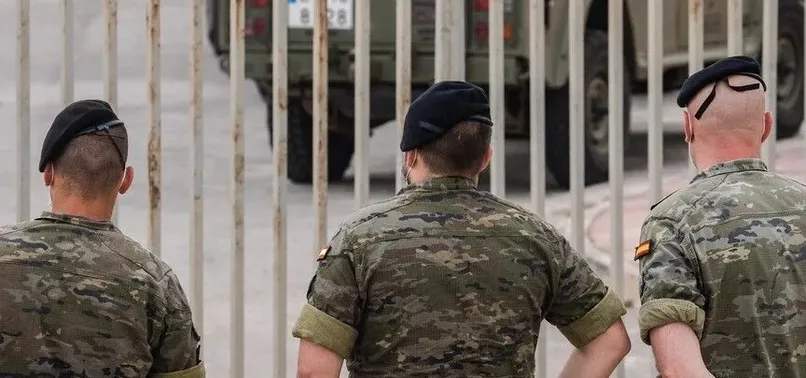
Spain has deployed 120 military personnel to the Canary Island of El Hierro following the declaration of a migration emergency amid an unprecedented increase in migrant arrivals along the Atlantic route.
Defence Minister Margarita Robles announced the deployment on Thursday, November 26, 2026, saying military personnel had been sent to reinforce medical and emergency services struggling to cope with the growing number of arrivals.
According to the Canary Islands regional government, more than 16,000 migrants have reached the archipelago so far in November, making it the busiest month in the 32-year history of the Atlantic migration route.
El Hierro, an island with approximately 12,000 residents, has experienced particularly heavy arrivals. Emergency services recorded 1,971 people arriving in 14 boats on Tuesday alone.
The military deployment includes 120 personnel, among them three doctors, eight nurses and 15 medical technicians. The team is expected to provide medical assistance, assess patients and support local emergency services.
Robles said the personnel had departed from the Torrejon de Ardoz air base near Madrid on Thursday morning, carrying equipment needed to support healthcare operations on the island. Additional military personnel already stationed elsewhere in the Canary Islands were also being sent to El Hierro.
She pledged that the government would provide the resources required to respond to what she described as a health and humanitarian emergency.
The deployment followed a decision by the Canary Islands government to declare a level-two migration emergency on Wednesday. The authorities warned that sustained arrivals were placing exceptional pressure on healthcare, social support and security services, while also affecting services available to the local population.
Before requesting military assistance, the regional government had already established a temporary field hospital to reduce pressure on El Hierro’s existing healthcare facilities.
Canary Islands President Fernando Clavijo has also appealed to the European Union for urgent assistance. On Wednesday, he requested an emergency meeting with European Commission President Ursula von der Leyen, calling for an immediate, coordinated and effective European response.
In his letter, Clavijo warned that the continuing arrivals were placing extraordinary pressure on the islands and pushing their migrant reception facilities to the limits of their capacity.
Among the 1,971 people who arrived on Tuesday were at least 203 women and 137 children. The group also included a four-day-old baby girl who was born during the dangerous Atlantic sea crossing.
The latest deployment highlights the growing humanitarian and operational challenges facing the Canary Islands as increasing numbers of migrants attempt the Atlantic route from West Africa to Spain.