
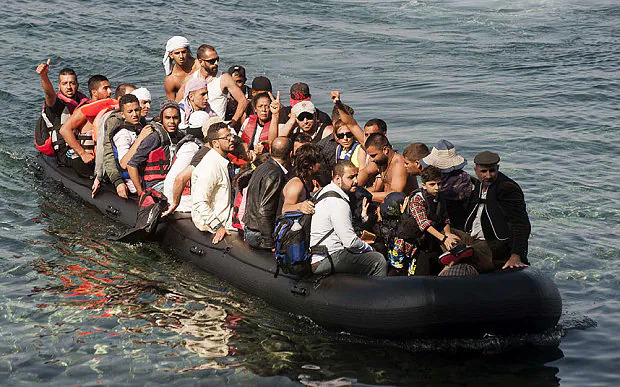
People often use the terms migrant, refugee, and asylum seeker as if they mean the same thing. However, each term has a different legal meaning and describes a different situation. Understanding these differences is important because they determine the rights people have, the protection they can receive, and the responsibilities governments have under international law.
As global migration continues to increase because of conflict, persecution, climate change, economic hardship, and political instability, knowing these definitions helps create a better understanding of the challenges faced by millions of people around the world.
What is a migrant?
A migrant is a person who moves from one place to another, either within their own country or across international borders. People migrate for many reasons, including employment, education, family reunification, or better economic opportunities.
Migration can be temporary or permanent, and it may be voluntary or influenced by difficult living conditions. Unlike refugees, migrants are generally not forced to leave because of persecution that prevents them from safely returning home. While migrants are entitled to fundamental human rights, they are not automatically protected under international refugee law.
Key characteristic: A person who moves mainly to improve their living conditions, work, study, or reunite with family.
What is an immigrant?
An immigrant is someone who moves to another country with the intention of living there permanently. Many immigrants apply for permanent residency and later seek citizenship in their new country.
People immigrate for different reasons, such as employment opportunities, joining family members, or building a new life. Unlike the broader term “migrant,” an immigrant usually plans to settle permanently in the destination country.
Key characteristic: A person who intends to make another country their permanent home.
What is a refugee?
A refugee is someone who has fled their home country because they have a well-founded fear of persecution due to their race, religion, nationality, political opinion, or membership in a particular social group.
The definition comes from the 1951 Refugee Convention, which provides refugees with special legal protections. One of the most important is the principle of non-refoulement, which prevents countries from returning refugees to places where they would face persecution or serious harm.
Because refugees cannot safely return home, they are entitled to protection under international refugee law.
Key characteristic: A person forced to cross an international border because returning home is unsafe.
What is an asylum seeker?
An asylum seeker is a person who has left their country and applied for international protection in another country but has not yet received a final decision on their application.
Every refugee first applies as an asylum seeker. However, not every asylum seeker is ultimately recognized as a refugee. If the claim is approved, the person is granted refugee status. If it is rejected, they may have to leave the country unless another form of legal protection applies.
Key characteristic: A person waiting for a government to decide whether they qualify as a refugee.
What is an internally displaced person (IDP)?
An internally displaced person (IDP) is someone who has been forced to leave their home because of conflict, violence, persecution, or natural disasters but remains within the borders of their own country.
Unlike refugees, IDPs have not crossed an international border. As a result, they are not covered by international refugee law and remain under the protection of their own government, even when that government may be unable or unwilling to protect them.
Today, internally displaced people make up the largest group of forcibly displaced people worldwide.
Key characteristic: Forced to flee home without leaving their own country.
What is a stateless person?
A stateless person is someone who is not recognized as a citizen by any country.
Without nationality, many everyday activities become difficult, including obtaining a passport, accessing education, opening a bank account, or securing formal employment. A stateless person may also be a refugee, asylum seeker, migrant, or internally displaced person, making their situation even more challenging.
Key characteristic: A person who has no legal nationality.
Why do these definitions matter?
These terms are more than legal labels. They determine the type of protection an individual can receive, the obligations governments have toward them, and which international organizations are responsible for providing assistance.
For example, refugees and asylum seekers may receive protection under international refugee law, while migrants are generally protected by domestic immigration laws and international human rights standards. Organizations such as the United Nations High Commissioner for Refugees (UNHCR) focus primarily on refugees and asylum seekers, while the International Organization for Migration (IOM) supports migrants and governments on a broad range of migration issues.
Understanding these differences helps improve public discussions about migration and ensures that people seeking safety or better opportunities are described accurately and treated according to international law.
Frequently Asked Question
What is the main difference between a migrant, a refugee, and an asylum seeker?
A migrant usually moves voluntarily for work, education, or family reasons. A refugee is forced to leave their country because of persecution or conflict and is legally protected under international law. An asylum seeker is someone who has applied for refugee protection and is waiting for a government to decide whether they qualify for refugee status.