
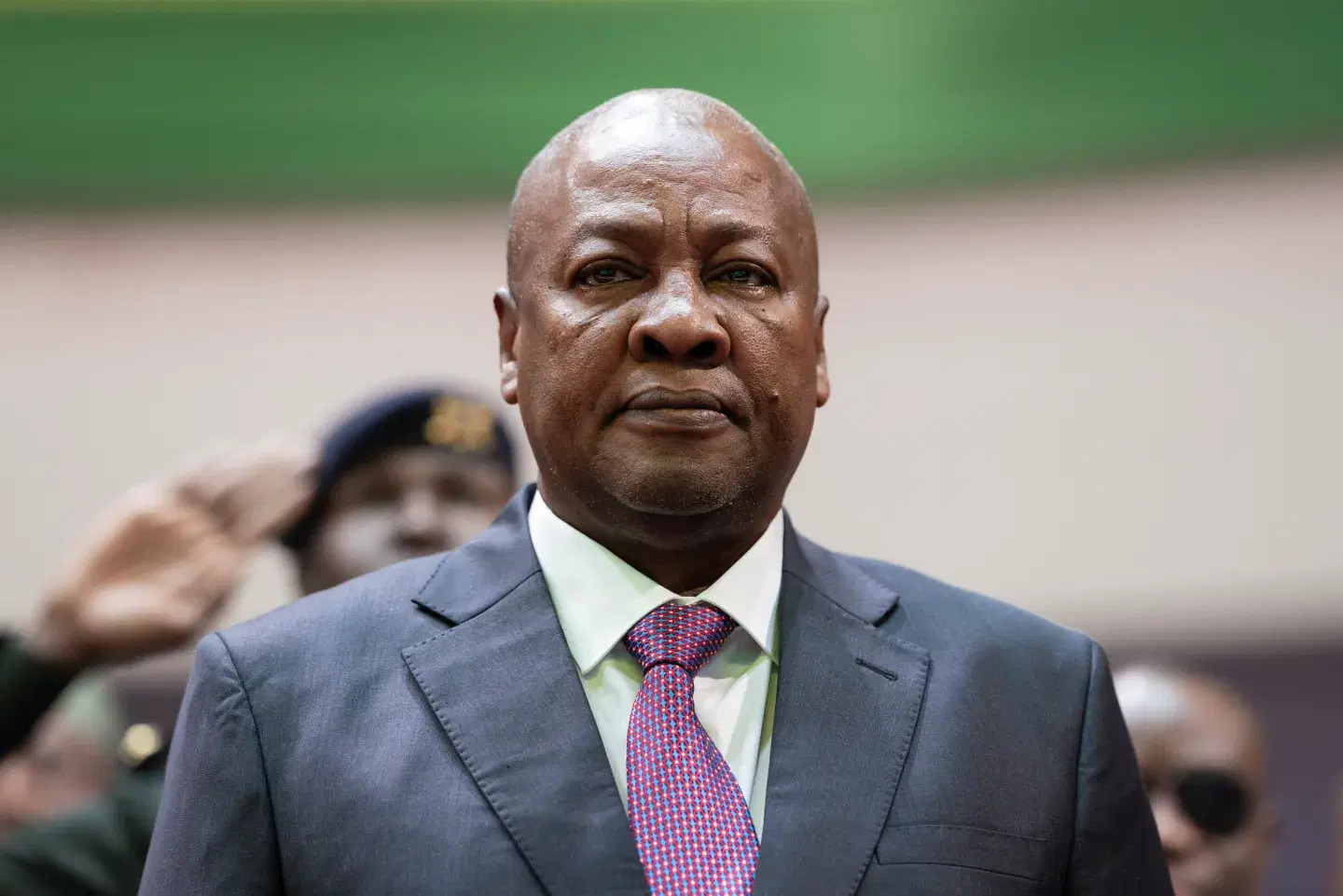
A scheduled meeting between Ghanaian President John Mahama and South African President Cyril Ramaphosa has been postponed amid growing diplomatic tensions linked to recent anti-migrant violence in South Africa.
The Ghanaian government confirmed the postponement on Tuesday, citing concerns over protests in South Africa that have targeted foreign nationals. While many demonstrations have been peaceful, some incidents have reportedly turned violent, raising concerns about the safety of Ghanaian citizens and other African migrants living in the country.
The decision comes as anti-migrant sentiment continues to generate diplomatic concern across the continent. Ghana has expressed unease over the treatment of its nationals and called for greater protection of foreign residents as authorities respond to the unrest.
The postponement underscores the growing impact of domestic security issues on regional diplomacy. Relations between Ghana and South Africa have come under increased scrutiny as governments across Africa monitor developments and assess the safety of their citizens residing in South Africa.
Although no new date has been announced for the presidential meeting, both governments are expected to maintain diplomatic engagement and continue discussions aimed at addressing the issues affecting their bilateral relationship.
Analysts say restoring confidence between the two countries will depend on continued dialogue, efforts to protect foreign nationals, and measures to reduce tensions linked to anti-migrant protests.
The delay also highlights the broader challenge facing African governments as they seek to balance domestic concerns over immigration with regional commitments to cooperation, the free movement of people, and the protection of human rights.
Why was the Ghana–South Africa presidential meeting postponed?
The meeting was postponed after Ghana raised concerns over recent anti-migrant protests and violence in South Africa. The Ghanaian government said the decision reflects growing diplomatic tensions and concerns about the safety of foreign nationals, including Ghanaian citizens, living in South Africa.